If you’ve ever watched your thermostat swing like a roulette wheel in a Reno summer, you know the pain. What most folks don’t realize is that the secret to a steady, comfortable home isn’t magic—it’s a handful of installation tricks the locals keep close to the chest.
Those tricks cut bills, keep the furnace humming, and stop the dreaded freeze‑outs that make winter feel like a freezer. Because Reno’s altitude and desert‑heat combo is a brutal test, only the right setup survives the season without a hitch.
Stick around and we’ll pull back the curtain on the exact moves the pros use, so you can stop guessing and start enjoying a home that finally behaves the way you want. You’ll see why the right install is the single biggest upgrade you can make this year.
Understanding Reno’s Unique Climate Challenges for HVAC Systems
Reno sits at 4,500 feet, where thin air means your furnace works harder to push warm air through the house. High altitude also reduces the density of refrigerant, so a standard unit can lose up to 15% of its cooling power on a scorching summer day. Bottom line: you need equipment that’s calibrated for the thin‑air, high‑heat combo.
Temperature Swings & Low Humidity
Summer highs can hit the mid‑90s, then drop to the 40s after sunset. Winter nights dip below 20°F, while daytime sunshine can melt snow in minutes. This rapid shift forces your system to cycle on and off, which wears out components faster.
- Rapid heating → oversized burners, short‑run cycles.
- Sudden cooling → oversized condensers, excess wear.
- Dry air → increased static electricity, dust buildup.
Impact on System Longevity
Because the air is dry, moisture‑based protection on coils and ducts is less effective. Corrosion can sneak in through the occasional snow melt, and the constant start‑stop cycle taxes motors and compressors. Choosing a unit with altitude‑adjusted refrigerant charge and reinforced components can add years to your investment.
Selecting the Ideal HVAC Equipment for High Altitude and Desert Heat
Altitude‑Adjusted Capacity
At 4,500 feet, the air is thinner, so a furnace that looks perfect on paper can lose up to 15 % of its heating power. Choose a unit rated for “high‑altitude” operation or one that lets you tweak the gas pressure.
Key things to verify:
- Manufacturer’s altitude correction factor
- Variable‑speed blower that can push more air without over‑working the motor
- Heat exchanger designed for lower oxygen levels
Heat‑Resistant Components
Reno summers can scorch the thermostat to 105 °F, and that heat bounces off the desert sand right into your home. Look for a condenser with a corrosion‑resistant coil and a compressor built for high‑temperature cycles.
Don’t settle for the cheapest SEER rating; aim for:
- SEER ≥ 16 for solid savings
- Aluminum or copper tubing that won’t warp under the sun
- Smart‑defrost logic that prevents ice buildup on the outdoor unit
Future‑Proof Choices
Even if you’re only thinking about today, the next five years will bring smarter thermostats and tighter utility codes. Pick a system that talks to Wi‑Fi, Zigbee, or Z‑Wave without a retrofit.
Benefits include:
- Zone‑control capability for a three‑story home
- Compatibility with solar‑backed backup generators
- Warranty that covers both altitude and heat stress
Pre‑Installation Site Preparation: Ductwork, Insulation, and Venting Essentials
Ductwork Check‑list
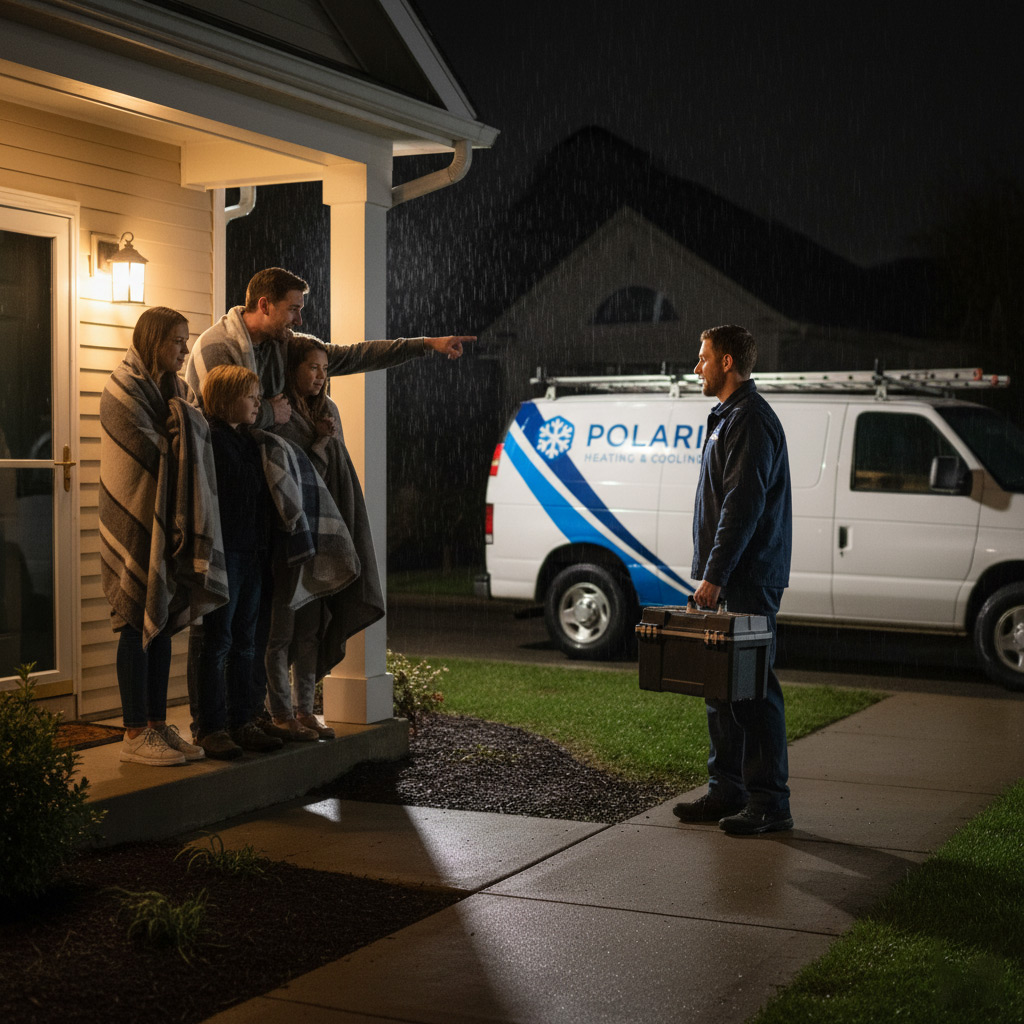
Before the first screw hits the ceiling, walk every run of metal or flex duct. Look for gaps, loose clamps, and any rust that could turn a fresh system into a leaky nightmare.
Seal every joint with mastic or UL‑rated tape—no shortcuts. A tight network means the furnace doesn’t have to work overtime to push air through.
- Inspect for crushed sections that choke airflow.
- Measure static pressure; high numbers scream “bad design.”
- Replace old flex ducts with rigid steel where possible; they hold shape better at altitude.
Insulation Must‑Haves
Reno’s desert heat and winter chill love to slip through thin walls. Upgrade attic and wall cavities to at least R‑30; the payoff shows up on your bill.
Don’t forget the crawl space. A vapor barrier plus blown‑in insulation creates a thermal blanket that keeps the floor from turning into a cold slab.
- Seal all penetrations—pipes, wires, and ducts—with spray foam.
- Check the R‑value of existing insulation; replace anything below code.
- Wrap ductwork in insulation where it runs through unconditioned spaces.
Venting the Right Way
High altitude means thinner air, so combustion appliances need more oxygen. Size the intake and exhaust pipes to match the furnace’s BTU rating, not the size of the house.
Use stainless steel venting for gas furnaces; it resists corrosion from the desert’s salty breeze.
- Locate vents away from windows to avoid back‑draft.
- Install a dedicated outdoor air kit if the home is super‑tight.
- Verify clearances to combustibles; a few inches can save a fire.
Proven Installation Techniques That Boost Efficiency and Longevity
Get the Charge Right the First Time
Never trust a guess when it comes to refrigerant. A technician should measure the exact pressure with a calibrated gauge, then add the precise amount of charge for Reno’s thin air. Too little and the compressor works overtime; too much and the system overheats. The result? A unit that runs smooth, cools fast, and lasts years.
Seal the Ducts, Seal the Deal
Leaky ducts are the silent money‑suckers in any home. Use mastic or UL‑rated foil tape to close every seam. Then, wrap the ducts in insulation rated for high desert temperatures. The payoff is immediate: less strain on the blower, steadier temps, and a noticeable dip in the utility bill.
Mounting Matters
Vibration is the enemy of longevity. Secure the indoor coil on a rubberized pad, and bolt the outdoor condensing unit to a level, sturdy base. This simple step stops metal fatigue, keeps bolts from loosening, and keeps the whole system humming without a hitch.
- Check levelness before tightening bolts.
- Use vibration isolators under the compressor.
- Leave a clearance gap for airflow around the outdoor unit.
Smart Controls and Zoning Strategies Tailored for Reno Homes
Why Smart Thermostats Matter
Reno’s temperature swings demand a brainy thermostat that learns your schedule, not just a dial you turn. Wi‑Fi enabled units let you tweak the heat from your phone while you’re on the ski lift or at the casino.
When the system knows when you’re home, it cuts the wasteful run‑time that spikes your bill. Result? A cooler wallet and a steadier indoor climate.
Zoning Made Simple
Think of your house as a set of mini‑rooms, each with its own temperature goal. By installing motorized dampers and separate thermostats, you can keep the bedroom at 68°F while the living room stays at 72°F.
This approach stops the furnace from fighting itself across the floor plan. Less wear, more comfort.
Tools to Get You There
- Ecobee SmartThermostat – built‑in Alexa, remote sensors for each zone.
- Honeywell Home T9 – easy to pair with existing HVAC, supports multi‑room sensors.
- Motorized zone dampers – install on main ducts, control via a central hub.
- Smart vents – plug‑in units that balance airflow without major duct work.
Case Study: Transforming a 2,500‑sq‑ft Reno Residence with a Precision Install
Before the Install
The family was battling a furnace that sputtered in the winter and a blower that screamed in the summer. Energy bills were climbing faster than the Sierra peaks.
- Leaky duct seams lost up to 30% of conditioned air.
- Improperly sized unit caused short‑cycling and uneven rooms.
- Old thermostat couldn’t talk to the new equipment.
The Precision Install
We started by sealing every duct joint with mastic, then added a high‑velocity return to balance pressure. Next, we swapped the 3‑ton unit for a 2.5‑ton, variable‑speed model calibrated for Reno’s altitude.
- Custom‑fabricated plenum to fit the vaulted ceiling.
- Smart thermostat paired with zone dampers for bedroom, living area, and garage.
- Insulated refrigerant lines to keep the heat where it belongs.
Results After 6 Months
The homeowner reported a 22% drop in monthly utility costs and no more “cold spots” on the second floor. System diagnostics show a 40% reduction in run‑time, meaning the furnace works less and lasts longer. The house finally feels like a single, comfortable zone—no more thermostat roulette.
Final Words
Even the slickest install will sputter if you skip the post‑install checklist. Grab the manufacturer’s warranty card, log the serial numbers, and set a calendar reminder for the first filter change—usually 30 days after start‑up. A quick visual inspection each season catches loose bolts before they turn into costly repairs.
What to Do Next
- Schedule a 90‑day performance tune‑up with a certified Reno tech.
- Enroll in a service plan that includes annual coil cleaning and refrigerant checks.
- Keep a copy of the HVAC Installation guide handy for future upgrades.
When the desert heat rolls in or the mountain chill bites, you’ll know your system is built for Reno’s extremes. Trust the pros who understand altitude, and let your home finally behave the way you expect—comfortable, quiet, and easy on the wallet.
People Also Ask
What makes Reno’s climate unique for HVAC installations?
Reno experiences high altitude, low humidity, hot summer desert heat, and chilly winter nights, which strain heating and cooling equipment. Systems must be sized and tuned to handle rapid temperature swings and thinner air density.Why is equipment selection critical at Reno’s elevation?
At higher elevations, air is less dense, reducing the efficiency of compressors and burners. Choosing units rated for altitude ensures proper airflow, combustion, and consistent performance.How does proper ductwork preparation improve HVAC efficiency?
Sealed, insulated ducts prevent heat loss and reduce pressure drops, allowing the system to deliver the intended temperature with less energy. Correct sizing also avoids short‑cycling and premature wear.What installation techniques extend the lifespan of an HVAC system in Reno?
Securely mounting outdoor units on vibration‑dampening pads, calibrating refrigerant charge for altitude, and ensuring adequate clearance for airflow all reduce stress on components and boost longevity.Can smart controls and zoning really lower energy bills in a Reno home?
Yes, programmable thermostats and zone dampers let you heat or cool only occupied areas, matching the desert‑heat peaks and winter chill without wasting energy on empty rooms. This targeted approach can cut utility costs by up to 20 %.
Reno HVAC brings over a decade of professional heating and cooling expertise to the Reno community. Their team is dedicated to delivering reliable, energy‑efficient solutions tailored to the unique climate of the Sierra Nevada region.
Need HVAC?
We provide fast, results‑focused services that keep your home or business running smoothly across Reno and nearby areas (89501, 89502, 89431, 89434, 89701). Our team responds within hours to minimize downtime.
Request a fast quote