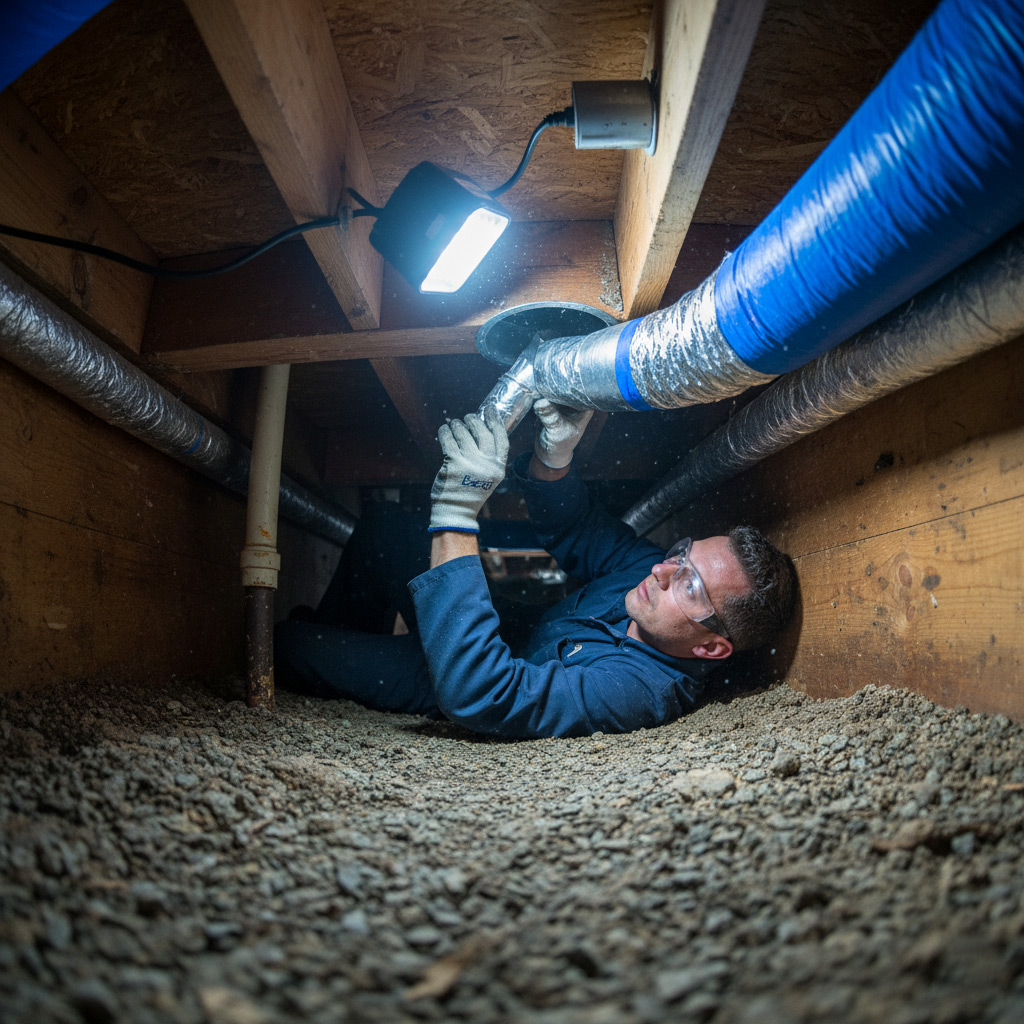
Imagine stepping into your Reno home on a scorching July afternoon and feeling a blast of ice‑cold air that makes you forget the desert heat outside. When that perfect breeze sputters, it feels like the whole day is on hold.
In a city where summer temperatures can skyrocket, a reliable air conditioner isn’t a luxury—it’s a lifeline. From frozen coils to a whining compressor, the most common breakdowns have simple fixes if you know where to look.
This guide breaks down every step you need to diagnose, repair, and keep your system humming, so you can stay cool without breaking the bank. Keep reading and you’ll discover the exact tricks seasoned technicians use to turn a failing unit back into a powerhouse.
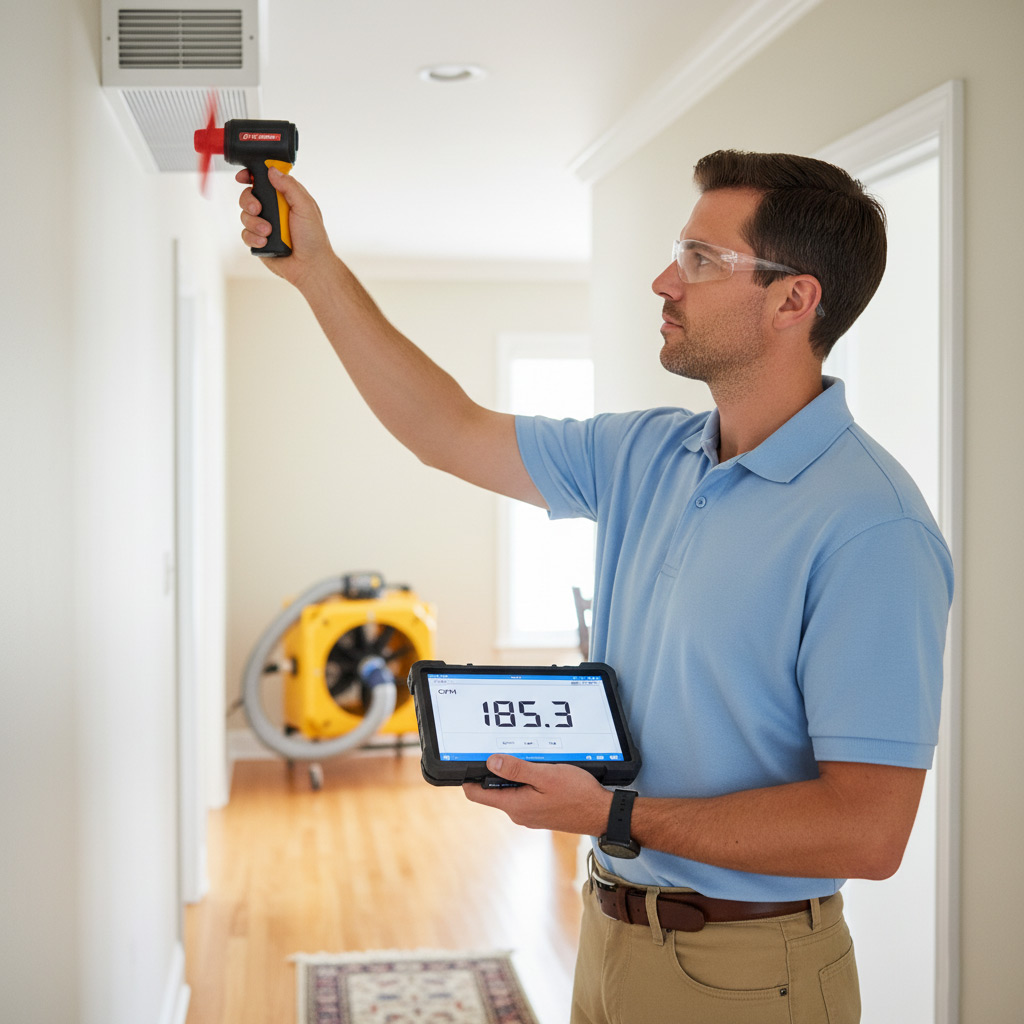
Understanding Your AC System: Core Components and How They Operate
Before you can fix anything, you need to know what you’re dealing with. An air‑conditioning unit is basically a heat‑pump that moves warm air out and pushes cool air in. Every part has a job, and when one quits, the whole system suffers.
Core Components
- Compressor – the heart that pressurizes refrigerant.
- Condenser coil – releases heat to the outside air.
- Evaporator coil – absorbs heat inside your home.
- Thermostat – tells the system when to kick on or off.
- Fan motor – pushes air across the coils.
- Refrigerant lines – the highways for the cooling fluid.
When the thermostat signals a call for cooling, the compressor squeezes the refrigerant, turning it into a high‑pressure gas. It then travels to the condenser where the outdoor fan blows away the heat. The cooled liquid heads back inside, slides over the evaporator coil, and the indoor fan spreads the chill throughout your house.
Most Frequent Summer Breakdowns in Reno: Symptoms, Causes, and Early Warning Signs
Reno’s dry heat puts a lot of stress on an AC unit. The first thing you’ll notice is a drop in cooling power, often accompanied by odd noises. When the system can’t keep up, it’s usually one of three culprits: frozen evaporator coils, a struggling compressor, or a refrigerant leak.
Frozen Coils
Symptoms appear fast: air feels damp, the thermostat reads lower than the room, and the unit may shut off altogether. The cause is usually restricted airflow—dirty filters, blocked return vents, or a failing blower fan. Early warning signs include a hissing sound and ice forming on the indoor coil.
Compressor Trouble
A whining or rattling noise signals the compressor is working overtime. If the unit cycles on and off rapidly, you’re looking at a possible overload or low refrigerant pressure. Watch for a sudden spike in your electric bill; that’s the compressor screaming for help.
Refrigerant Leaks & Thermostat Glitches
Low‑cooling performance paired with a warm coil is a classic leak symptom. You might also see oily spots around the service valves. A thermostat that’s off by a few degrees, or that refuses to stay set, often points to a wiring fault or dead batteries.
- Check the filter monthly—clogged filters are the #1 cause of frozen coils.
- Listen for unusual noises during the first hour of a hot day; they’re early alerts.
- Monitor your energy usage; a 15% jump means something’s wrong.
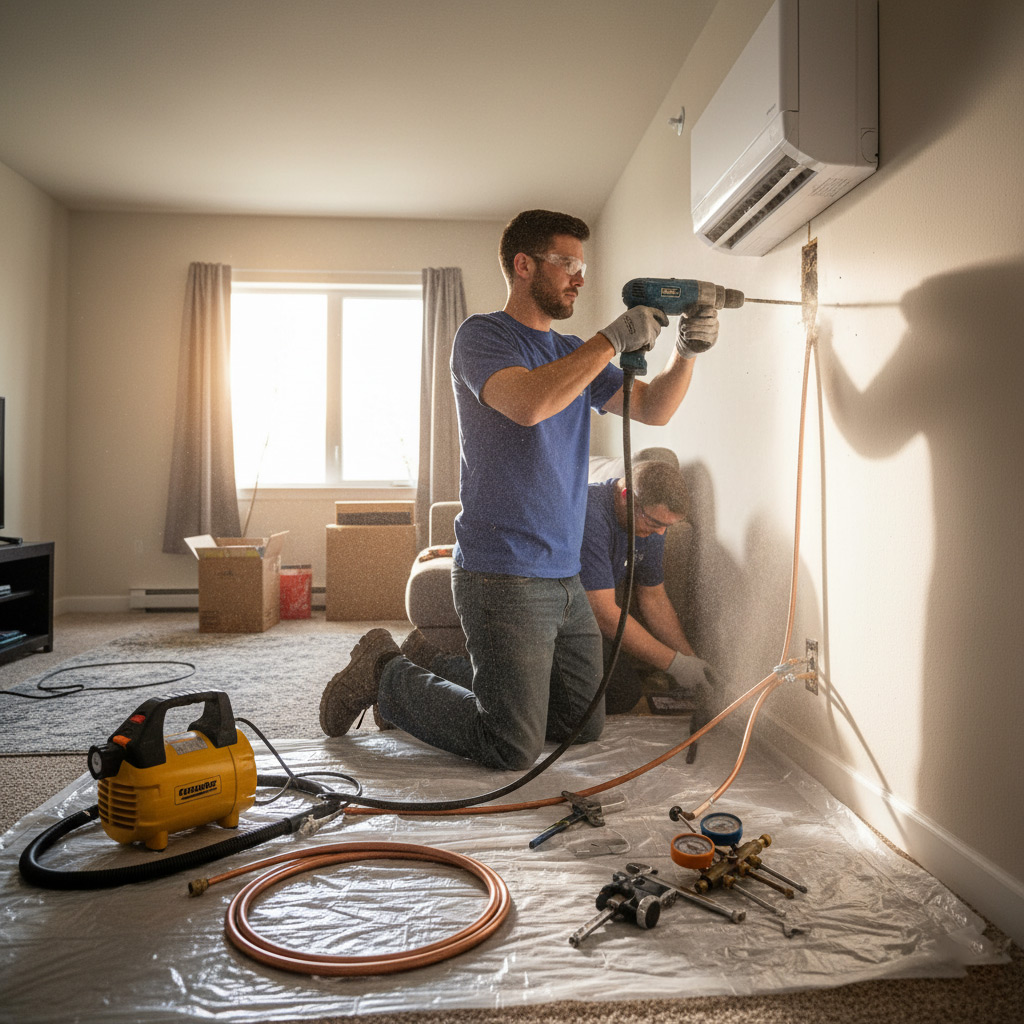
DIY Diagnostic Checklist: What Homeowners Can Test Before Calling a Technician
Before you dial a pro, grab a flashlight and run through this quick audit. It takes five minutes, saves dollars, and often reveals a simple fix you can handle yourself.
Power and Thermostat Checks
First, make sure the unit is actually getting electricity.
- Verify the breaker hasn’t tripped; reset it if needed.
- Confirm the disconnect switch near the outdoor condenser is in the “on” position.
- Inspect the thermostat batteries—dead cells are a common culprit.
- Set the thermostat to “cool” and lower the temperature a few degrees below room temp; listen for the fan to kick on.
Airflow and Condensate Inspection
Restricted airflow can choke the system and cause overheating.
- Check the indoor air filter; if it’s dark or clogged, replace it with a fresh one.
- Look at the supply vents—make sure nothing blocks them, and give each a quick vacuum.
- Peek at the condensate drain line; a slow drip or standing water signals a blockage.
- Feel the coil on the indoor unit; if it’s icy, turn the system off for 30 minutes to let it melt.
Step‑by‑Step Repairs You Can Safely Perform: From Frozen Coils to Faulty Thermostats
Before you dial a pro, grab a flashlight and a screwdriver. A few simple moves can unfreeze a coil or reset a thermostat, saving you time and cash.
Frozen Coils – Thaw and Test
Turn the thermostat off and let the unit sit for 30 minutes. Patience beats panic. Once the ice melts, check the air filter and replace it if it’s clogged.
- Locate the evaporator coil behind the indoor panel.
- Gently brush away any visible ice with a soft brush.
- Run the fan on “low” for 5‑10 minutes to circulate warm air.
- Listen for a steady hum; if the compressor still clicks, move to the next step.
If the coil refreezes within a day, the airflow restriction is still present. Clean the ductwork or call a tech to inspect the blower motor.
Faulty Thermostat – Reset or Replace
First, verify the thermostat is on the correct setting (cool, not heat). A quick power cycle can clear hidden glitches.
- Remove the cover; snap the batteries out for 60 seconds.
- Re‑insert fresh AA batteries and re‑attach the cover.
- Set the temperature 5 °F lower than the room’s current temp.
- Watch for the “system ON” indicator; if it never lights, the wiring may be loose.
Loose wires are easy to tighten with a screwdriver. If the display stays blank, it’s time to swap the thermostat for a newer, programmable model.
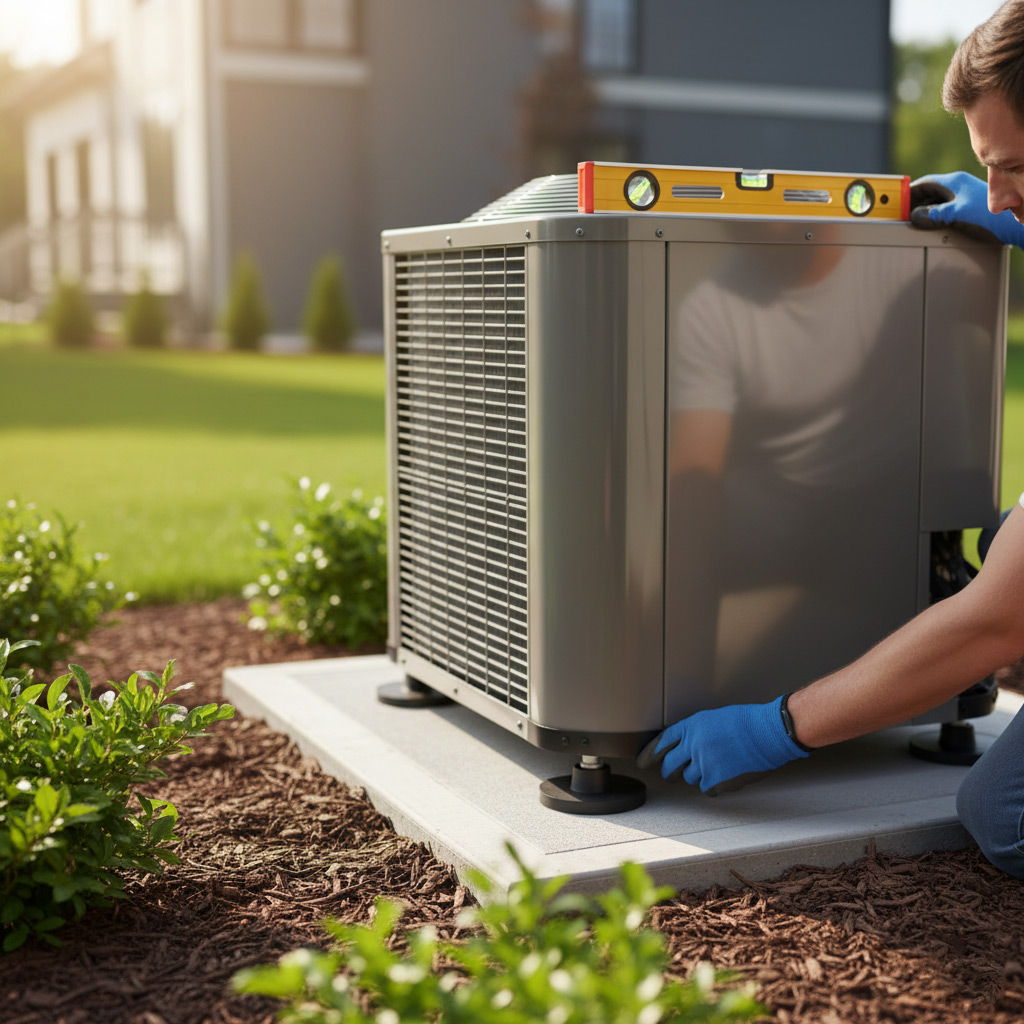
Preventive Maintenance Plan Tailored to Reno’s Climate: Seasonal Tasks and Frequency
Reno’s high‑altitude desert swings from blistering 100°F days to chilly nights. That temperature roller‑coaster forces your AC to work harder, so a schedule that matches the climate saves money and headaches. Stick to the plan and you’ll dodge the most common breakdowns before they even start.
Spring: Wake‑Up Call
- Inspect and clean the outdoor condenser coils – dust and pollen love to settle after winter.
- Check refrigerant pressure; low levels show up as weak cooling.
- Test the thermostat calibration; a 5‑degree drift can waste energy.
- Replace the air filter (every 30‑45 days) to keep indoor air crisp.
Give the system a quick visual once the snow melts. Look for cracked copper lines or loose bolts. Tighten anything that wiggles and you’ll keep the unit humming through the heat.
Summer: Full‑Throttle Defense
- Run the fan‑only mode for 10 minutes each morning to clear debris from the coil.
- Lubricate motor bearings if you hear a faint squeal.
- Schedule a professional refrigerant leak check at least once a season.
- Clean the condensate drain line with a cup of bleach‑water to prevent clogs.
During peak heat, watch the discharge pipe. If it’s hotter than the surrounding air, the compressor is overworking. A quick clean‑up now avoids a costly replacement later.
Fall & Winter: Low‑Key Guard
- Cover the outdoor unit with a breathable tarp to shield it from wind‑blown grit.
- Run the system on “dry‑cool” mode once a week to circulate oil through the compressor.
- Check the furnace‑AC crossover valve for proper operation before the first freeze.
- Swap the filter to a higher‑MERV rating if you’re heating more than cooling.
Even when you’re not using the AC, a brief 15‑minute run each month keeps seals supple. That simple habit can extend the life of your compressor by years.
Case Study: Reviving a 12‑Year‑Old Split‑System AC in a Reno Home After a Compressor Failure
Background
When the Johnson family called, their 12‑year‑old split‑system had gone silent on a 105°F day. The indoor unit was blowing warm air, and the outdoor compressor was humming but not kicking in. We knew the odds were slim—old units often get tossed, not fixed.
Diagnosis
First, we ran a quick voltage check. The line voltage was solid, so the power supply was fine. Next, we inspected the refrigerant lines for oil stains—classic sign of a compressor leak.
- Measured suction pressure: 0 psi (should be ~45 psi).
- Checked capacitor: good, no bulging.
- Inspected start relay: functional.
The numbers told us the compressor had seized. That’s the smoking gun.
Repair & Results
Instead of ripping out the whole unit, we sourced a refurbished compressor that matched the original specs. Installation took two hours, plus a thorough evacuation and recharge of R‑410A refrigerant.
After the fix, the system pulled 48 psi on suction and 210 psi on discharge—right on the manufacturer’s chart. The Johnsons felt a 20‑degree drop within minutes. We saved them $1,800 in replacement costs and gave the unit another three years of life.
Final Words
When the desert heat rolls in, you don’t have time to guess why the AC is coughing. Know the signs, run the checklist, and act fast—that’s the difference between a quick fix and a costly replacement.
Quick‑Hit Action List
- Check the thermostat settings and replace batteries if needed.
- Inspect the outdoor unit for debris; a clean coil means better airflow.
- Listen for unusual noises—clicks, squeals, or a humming compressor.
- Verify the circuit breaker hasn’t tripped; reset it and watch the fan spin.
- Schedule a professional tune‑up before the next heat wave hits.
If you hit a wall, don’t wrestle with the compressor yourself. Call a certified Reno HVAC tech who can handle AC repair tasks. A seasoned pro will get your system back to full power without the guesswork.
People Also Ask
What are the most common AC problems in Reno during the summer?
Typical issues include a frozen evaporator coil, low refrigerant levels, and a malfunctioning thermostat. These problems often stem from poor maintenance, high desert heat, and dust accumulation.How can I tell if my AC needs a professional repair or a DIY fix?
If the unit won’t turn on, makes strange noises, or you notice refrigerant leaks, call a licensed technician. Simple issues like a tripped breaker or a dirty filter can usually be handled by the homeowner.What seasonal maintenance tasks should I perform to keep my AC running efficiently in Reno?
Clean or replace the air filter monthly, clear debris from the outdoor condenser, and schedule a professional tune‑up before the peak cooling season. Additionally, check refrigerant pressure and coil cleanliness twice a year.Can a frozen coil be safely thawed without professional help?
Yes, you can turn off the system, let it defrost for 2–4 hours, and then run the fan‑only mode to circulate warm air. If the coil refreezes, it indicates a deeper issue that requires a technician.How often should a 12‑year‑old split‑system AC be inspected in Reno?
A split‑system of that age should receive a comprehensive inspection at least once a year, with a focus on the compressor, refrigerant charge, and electrical connections. Early detection of wear can extend the unit’s lifespan by several years.
Reno HVAC brings over 15 years of heating and cooling expertise to the Reno community. Their team of certified technicians delivers reliable service tailored to the unique climate of the Sierra Nevada region. Committed to local homeowners and businesses, they prioritize efficiency and comfort in every project.
Need HVAC?
We provide fast, results‑focused services that keep your home or business running smoothly across Reno and nearby areas (89501, 89502, 89431, 89434, 89701). Our team responds within hours to minimize downtime.
Request a fast quote