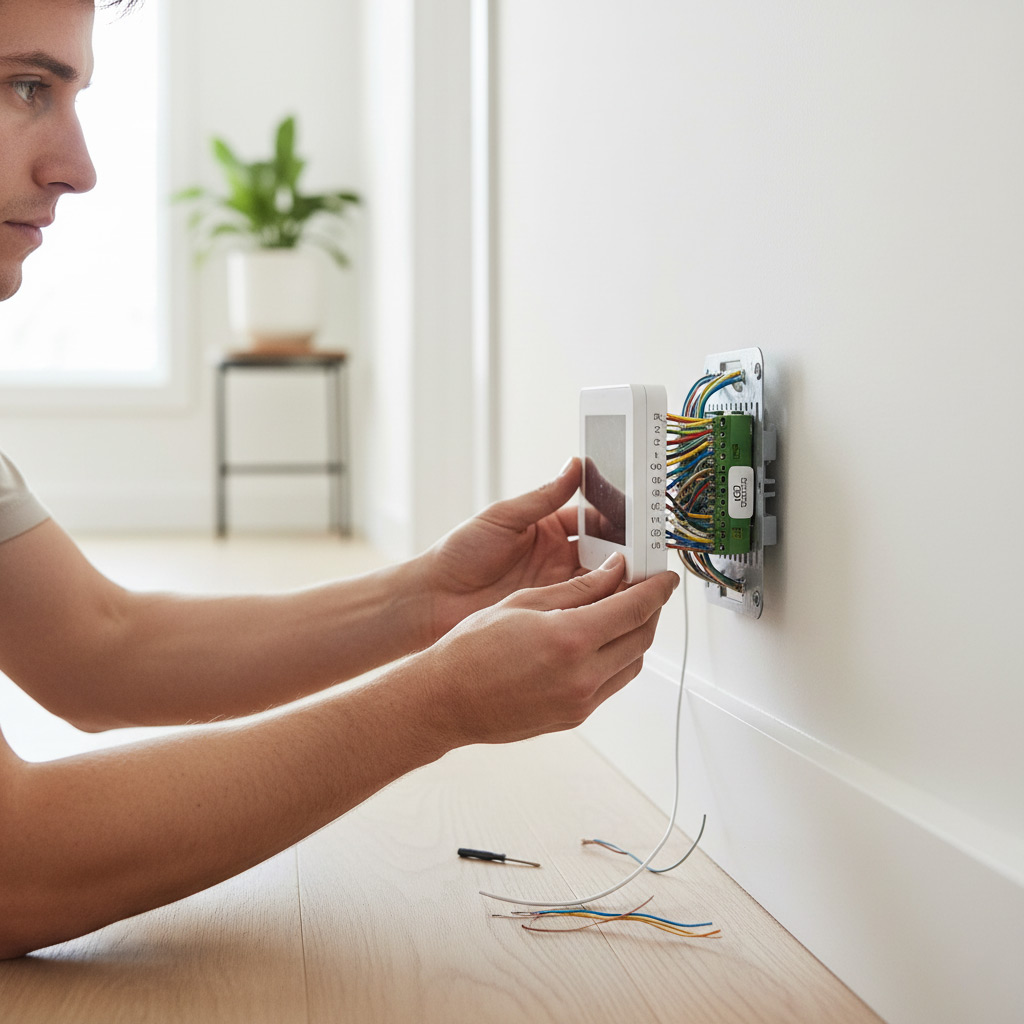
When your gas furnace starts sputtering like a bad karaoke singer, you know it’s not just a minor hiccup – it’s a warning sign that something’s about to go south.
Most Reno homeowners swear by the “cheap fix” they saw on a YouTube video, only to end up with a bill that makes their wallet weep. The truth is, a rushed repair can cost you twice as much in the long run, and it can leave you shivering when the temperature drops.
In the next few minutes we’ll cut through the hype, show you the red flags that mean you need a pro, and explain how a smart repair plan can keep your furnace humming all winter. Keep reading to discover the real cost of ignoring the signs and how to protect your home without breaking the bank.
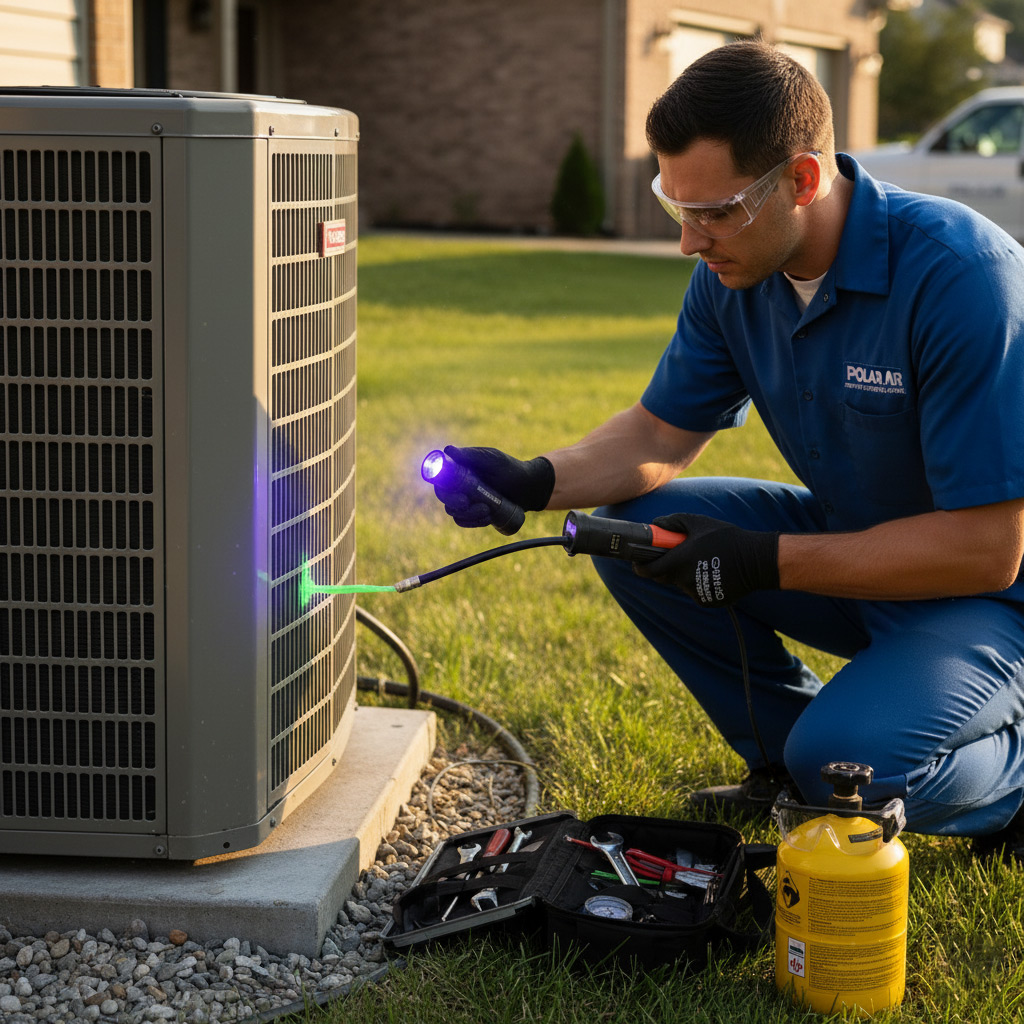
How a Gas Furnace Operates and Typical Failure Points
The Basics of a Gas Furnace
A gas furnace pulls in cold air, heats it, and pushes it back through your ducts. The heart of the system is the burner, where natural gas mixes with air and ignites. A thermostat tells the furnace when to fire up, while a blower motor circulates the warmed air.
Key components you’ll hear about:
- Heat exchanger – transfers heat without letting combustion gases escape.
- Ignition system – spark or hot surface that lights the gas.
- Limit switch – shuts the furnace off if it gets too hot.
- Flame sensor – confirms a flame is present before the gas keeps flowing.
Common Failure Points
Even a well‑maintained furnace can stumble. The most frequent culprits are:
- Clogged air filter – starves the blower, causing overheating.
- Dirty flame sensor – tricks the system into thinking there’s no flame.
- Cracked heat exchanger – leaks dangerous carbon monoxide.
- Worn ignitor – fails to spark, leaving you in the cold.
When any of these break down, the furnace either won’t start or will shut down mid‑cycle. Spotting the problem early saves you from a full‑blown emergency.
Red‑Flag Symptoms That Signal a Needed Repair
When a furnace starts acting up, it’s not just being dramatic—it’s trying to tell you something is wrong. Ignoring the clues can turn a simple tweak into a full‑blown breakdown, especially when Reno’s winter bites.
Common Red Flags
- Uneven heating – rooms feel like a sauna while others stay icy.
- Strange noises – rattles, squeals, or a high‑pitched whine that wasn’t there before.
- Frequent cycling – the unit turns on and off every few minutes.
- Yellow flame instead of blue – a sign the burner isn’t burning clean.
- Rising utility bills – heat output drops but the meter climbs.
When to Call the Pros
- If the furnace won’t ignite after three attempts.
- Any smell of gas – stop immediately and ventilate.
- Persistent error codes on the thermostat display.
- Visible cracks or corrosion on the heat exchanger.
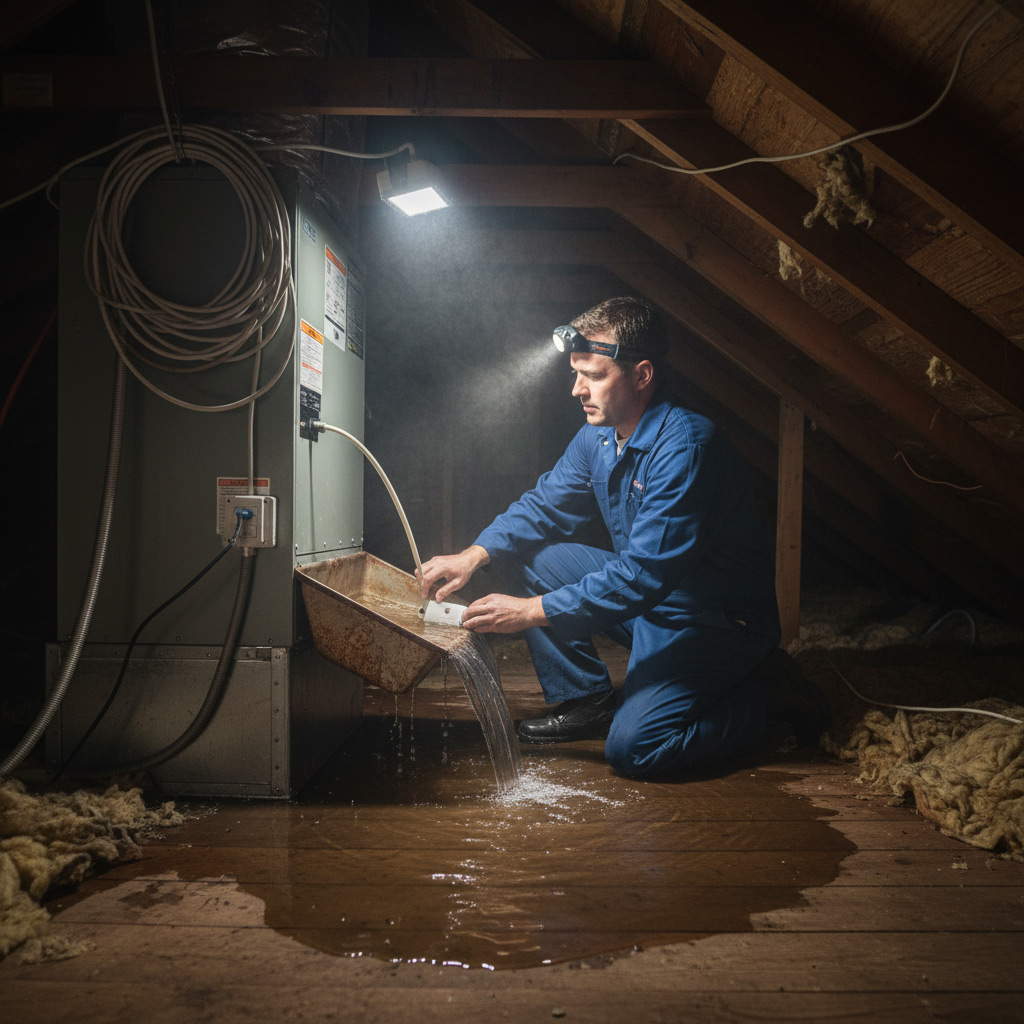
DIY Fixes vs. Professional Service: The Real Cost Breakdown
What the “DIY” Route Really Costs
Grabbing a wrench from the garage feels cheap—until the furnace sputters again and you’re buying a new heat exchanger. One‑hour labor may be free, but the hidden price tag includes missed diagnostics, improper part fit, and potential safety hazards.
Typical DIY attempts and their hidden expenses:
- Cleaning the burners – you might spend $20 on a brush, then waste $150 on a service call because the flame sensor is still dirty.
- Replacing a thermostat – a $30 kit can lead to a $200 bill if the wiring isn’t done right.
- Sealing a cracked heat exchanger – a $50 patch kit won’t pass inspection, and you could face a $1,000 replacement later.
Professional Service: What You Actually Pay For
A licensed Reno HVAC tech brings more than a screwdriver. The invoice reflects labor, certified parts, and a warranty that protects you from repeat breakdowns.
Breakdown of a typical repair ticket:
- Labor – $90‑$130 per hour, includes safety checks and code compliance.
- OEM parts – priced for durability; a faulty ignitor runs $120‑$180.
- Diagnostic fee – $75, often waived if you proceed with the repair.
- Warranty – 1‑year labor, 90‑day parts; saves you from surprise costs.
Bottom‑Line: ROI on a Smart Repair
Spend $300 on a pro fix now, and you avoid a $2,000 furnace replacement down the road. That’s a 566% return on investment. DIY may look like a bargain, but the risk of a carbon‑monoxide leak or a blown furnace can cost far more in health, comfort, and cash.
What Happens During a Professional Gas Furnace Repair in Reno
Step 1: Diagnosis
When the tech pulls up, the first thing they do is a visual sweep of the furnace and its venting. They’re looking for obvious red flags—cracked heat exchangers, loose connections, or dirty burners.
Next comes a quick power‑up. The technician runs the system through a diagnostic cycle while watching the control board for error codes. That’s the moment they pinpoint the exact failure point.
- Check flame sensor and ignitor
- Inspect pressure switch and limit switch
- Measure gas pressure and airflow
Step 2: Repair & Replacement
Once the problem is identified, the pro explains the fix in plain language—no jargon, just the bottom line. If a part needs swapping, they pull a stocked inventory truck or order the exact OEM piece.
Typical replacements include:
- Burner assembly
- Thermostat or control board
- Heat exchanger (when safety is at stake)
Every component is installed to factory specs, and the tech tightens all connections to prevent future leaks.
Step 3: Testing & Clean‑up
After the repair, the furnace runs through a full cycle while the technician watches temperature rise, flame stability, and safety shut‑offs. They’ll also verify that carbon monoxide levels are safe.
Finally, the work area is left spotless—no debris, no tools left behind. The tech hands you a short report, outlines any maintenance tips, and gives a clear warranty on the work performed.
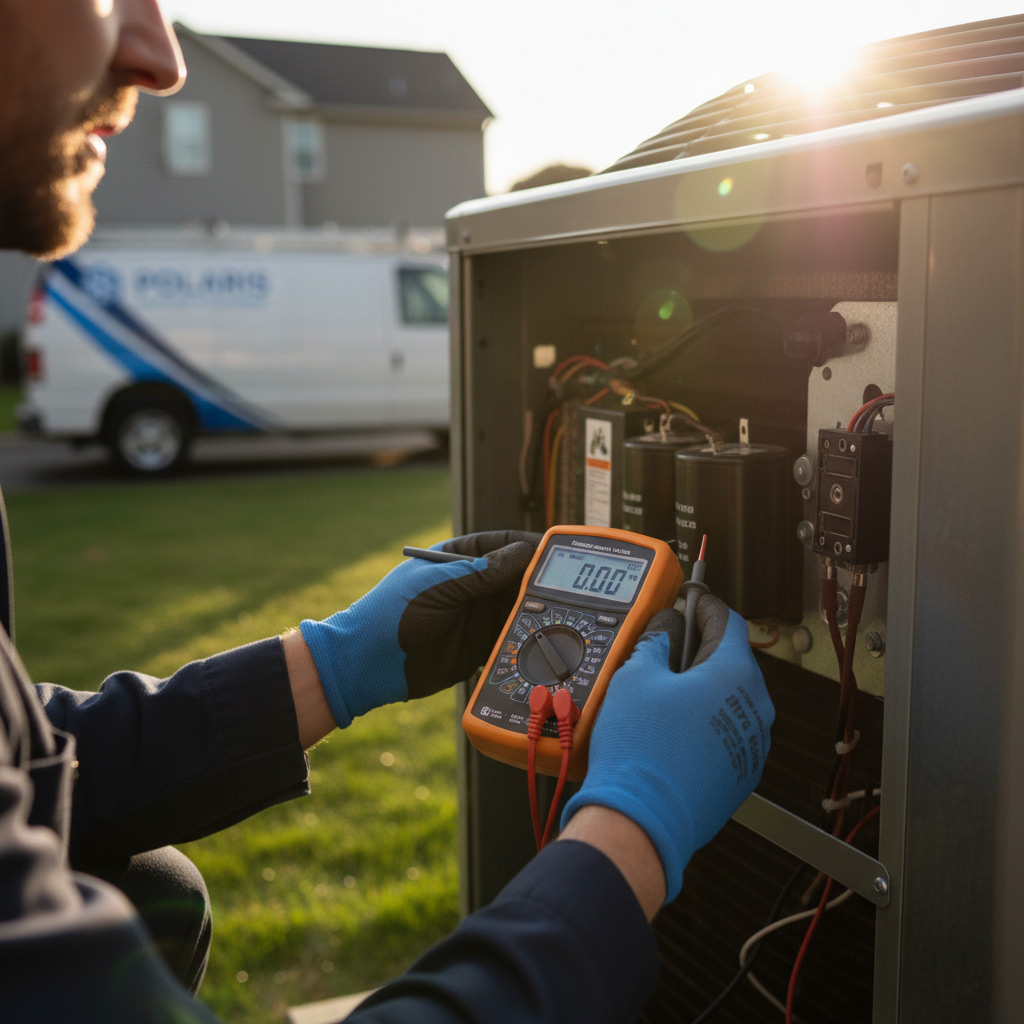
Selecting a Trustworthy HVAC Contractor for Your Home
Check the Credentials
First thing’s first: make sure the tech is licensed and insured. In Nevada, a valid HVAC contractor’s license is a non‑negotiable proof of training and compliance.
Ask for their Air Conditioning Contractors of America (ACCA) certification or any manufacturer‑specific credentials. Those badges mean they’ve passed the tests that keep your furnace running safely.
- License number – verify it on the Nevada State Contractors Board site.
- Insurance – general liability and workers’ comp should be current.
- Manufacturer certifications – especially for high‑efficiency models.
Read the Reviews, Then Call
Online ratings are a quick litmus test, but dig deeper. Look for comments about *timeliness*, *pricing honesty*, and *post‑repair follow‑up*.
Ask the contractor for at least two recent references. A reputable pro will gladly share contact info; a fly‑by‑night will dodge the question.
Local Presence and Guarantees Matter
Choosing a Reno‑based company means faster response when the cold hits. It also signals they understand our climate quirks – like the sudden temperature swings that stress a furnace.
Finally, demand a written warranty on labor and parts. A solid guarantee (usually 1‑2 years) shows the contractor stands behind the work and protects your wallet from surprise breakdowns.
Case Study: From a Costly Furnace Breakdown to a Smart Repair Solution
The Situation
When the Martinez family noticed a sudden loss of heat on a freezing January night, they called a “quick fix” service that quoted $1,200 for a brand‑new furnace. They were ready to pull the plug on their budget.
Instead, they reached out to a local Reno HVAC specialist who offered a free on‑site inspection. The result? A clear picture of what was really wrong.
The Diagnosis
The technician identified three failure points that were driving the high repair estimate:
- Clogged heat exchanger – caused uneven heating and safety warnings.
- Worn‑out ignition module – made the furnace struggle to start.
- Faulty pressure switch – triggered automatic shutdowns.
Each issue could be fixed individually, saving the family from a full replacement.
The Solution & Savings
By tackling the problems step‑by‑step, the contractor delivered a plan that kept the furnace alive and cut costs dramatically.
- Heat exchanger cleaning: $150
- Ignition module replacement: $180
- Pressure switch repair: $120
- Labor and warranty: $200
Total: $650 – less than half the original quote. The Martinez home stayed warm, and their wallet breathed a sigh of relief.
Final Words
Before you let that furnace sit idle, grab the phone and set up a professional inspection. A quick call now can stop a $2,000 emergency bill later.
Three Moves to Keep Your Heat on Track
- Schedule a check‑up before the first frost – most contractors can fit you in during the off‑season.
- Ask for a written estimate that breaks down parts, labor, and any warranty coverage.
- Keep a maintenance log; note the date, what was done, and who did it. Future techs love a clean record.
When you’re ready to move forward, head over to our Gas Furnace Repair page. You’ll find a simple contact form, a list of certified Reno technicians, and a guarantee that the job won’t leave you out in the cold.
People Also Ask
How often should I schedule professional gas furnace maintenance in Reno?
A professional tune‑up is recommended at least once a year, ideally before the heating season begins. Regular maintenance helps catch wear early and keeps the furnace running efficiently.What are the most common causes of gas furnace failure in Reno?
Typical culprits include dirty burners, a cracked heat exchanger, and a malfunctioning thermostat. Hard water and dust can also clog filters and reduce airflow, leading to overheating.Can I safely repair a gas furnace myself?
Minor tasks like replacing filters or cleaning vents are DIY‑friendly, but anything involving gas lines, ignition components, or the heat exchanger should be handled by a licensed technician. Attempting complex repairs can create safety hazards and void warranties.How much does a typical gas furnace repair cost in Reno?
Repair costs vary widely, ranging from $150 for simple part replacements to $1,200 for major heat‑exchanger repairs. Getting a detailed estimate from a reputable contractor helps you compare options and avoid surprise fees.What should I look for when choosing a furnace repair contractor?
Choose a company with local licensing, positive customer reviews, and transparent pricing. Verify they offer emergency service and a warranty on both labor and parts.
Reno HVAC brings over 15 years of heating and cooling expertise to the Reno community. Their team of certified technicians delivers reliable service tailored to the unique climate of the Sierra Nevada region. Committed to local homeowners and businesses, they prioritize efficiency and comfort in every project.
Need HVAC?
We provide fast, results‑focused services that keep your home or business running smoothly across Reno and nearby areas (89501, 89502, 89431, 89434, 89701). Our team responds within hours to minimize downtime.
Request a fast quote