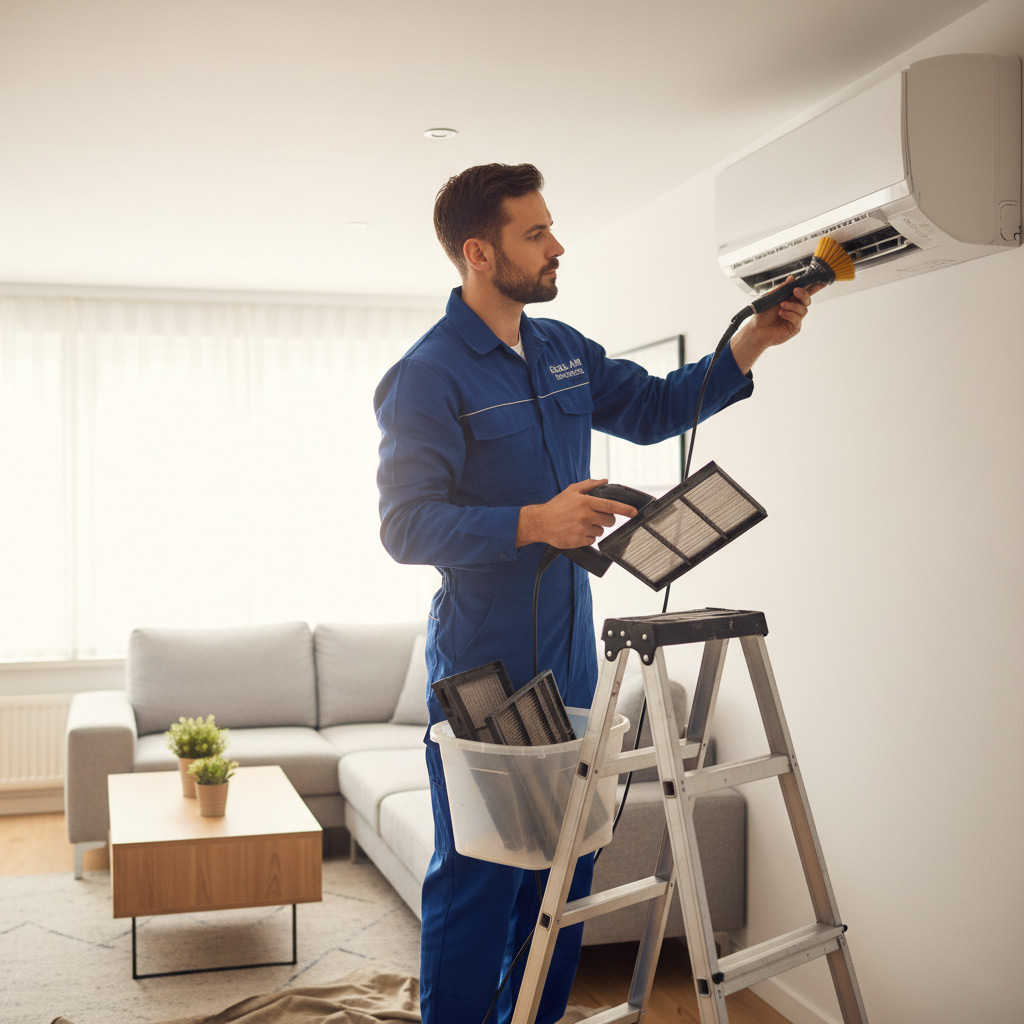
Picture this: you step into a Reno home and the temperature hugs you like a perfect handshake—cool when the desert sun blazes, warm when the snow drifts in. That feeling isn’t luck; it’s the result of a design that knows the city’s quirks inside out.
Most contractors jump straight to equipment specs and forget the groundwork that makes a system actually work for you. Skipping that foundation is why you hear complaints about short‑lived units and sky‑high bills.
In the next few minutes you’ll get a clear, no‑fluff roadmap that takes you from the first sketch to a system that runs like a well‑tuned engine. Ready to see how the pros lock down success? Keep reading.

Understanding Reno’s Climate and Load Calculations
Reno isn’t just “hot in summer, cold in winter.” It’s a high‑desert playground where temperature swings can hit 30 °F in a single day. That volatility drives the heating and cooling load, so you can’t guess your system size – you have to measure it.
Key climate drivers you must factor in
- Altitude: At 4,500 ft, air is thinner, meaning less heat capacity and a higher BTU demand.
- Dry‑air humidity: Low moisture makes evaporative cooling less effective, pushing you toward refrigerant‑based solutions.
- Solar gain: South‑facing windows soak up the sun, especially in July, adding extra cooling load.
- Night‑time radiative cooling: Clear desert skies dump heat fast, increasing heating requirements after sunset.
When you plug these variables into a load calculation, you get a realistic picture of what the house actually needs – not a “one‑size‑fits‑all” guess. That data becomes the backbone for every decision that follows, from equipment selection to duct sizing.
Performing Accurate Manual J & D Load Analyses
Why Manual J Matters
Before you even think about a furnace or a heat pump, you need to know exactly how much heating and cooling Reno’s weather will demand from your home. Manual J is the gold‑standard calculation that tells you the true load, not a guess.
- Square footage and ceiling height – the bigger the space, the more power you need.
- Window orientation and glazing – south‑facing panes soak up heat, north‑facing ones lose it.
- Insulation levels and air leakage – a drafty attic can double your cooling load.
From Load to Ductwork: Manual D
Once you have the numbers, Manual D translates them into a duct system that actually delivers the right amount of air to each room. Bad ducts are the silent killers of comfort.
- Size each branch to match the room’s load – oversized ducts waste energy, undersized ones starve the space.
- Keep friction losses low – smooth, short runs mean the blower works less.
- Balance pressure with proper registers and grilles – even airflow is the secret to a happy HVAC.
Collecting Real‑World Data
Field measurements beat spreadsheet guesses every time. Walk the house, feel the drafts, and note the sun’s path. Accurate data = a system that lasts.
- Use a calibrated thermostat to record indoor temps during peak summer and winter.
- Measure outdoor temperature swings with a reliable weather station or local data source.
- Document any existing HVAC quirks – old ducts, leaky doors, or attic fans.

Choosing the Right Equipment for Efficiency and Longevity
In Reno, a unit that can survive a scorching summer and a biting winter is worth its weight in gold. You don’t want a cheap “good‑enough” furnace that quits after a season or an AC that drinks power like a kid at a candy store. Pick gear that earns its keep, and you’ll see lower bills and fewer service calls.
Match Capacity to Load, Not Guesswork
First, size matters—but not the way most contractors brag about “bigger is better.” An oversized blower will short‑cycle, waste energy, and wear out faster. An undersized unit will run nonstop, overheating the motor.
- BTU rating that aligns with your Manual J calculation.
- SEER and AFUE numbers that meet or exceed local code.
- Variable‑speed compressors for smoother temperature swings.
Prioritize Proven Brands and Service Networks
Even the slickest tech fails if the local dealer can’t get parts fast. Choose manufacturers with a solid track record in the high desert and a robust warranty.
- Reliability – Look for units with a 10‑year parts warranty.
- Support – A local service team that can be on‑site within 24 hours.
- Upgrade path – Compatibility with future smart thermostats or zoning kits.
When you line up the right equipment, you’re not just buying a furnace or an AC; you’re investing in a system that will keep Reno comfortable year after year without bleeding your wallet.
Designing Ductwork and Zoning for Optimal Comfort
Why Duct Size Matters
Undersized ducts are the silent killers of comfort; they force the blower to work harder, raising your bill and shortening equipment life. Oversized runs waste space and create noisy airflow that makes you cringe.
Get the sweet spot by:
- Running a Manual D calculation for each room.
- Choosing rectangular or round ducts that match the calculated CFM.
- Sealing every joint with mastic or UL‑listed tape.
Zoning: One Thermostat Doesn’t Fit All
Reno homes often have a sun‑baked west wing and a chilly north side. A single thermostat can’t keep both happy. Zone dampers let you treat each area like its own mini‑home.
Install a dedicated thermostat for each zone, then program them to:
- Kick in early on winter mornings.
- Back off during peak summer heat.
- Stay idle when the house is empty.
Quick Wins for a Cleaner Duct System
Before you seal anything, pull the insulation back and check for crushed sections. A kinked duct is a performance nightmare.
Finish the job with these simple steps:
- Label each branch for future service.
- Balance the system with static pressure gauges.
- Schedule a professional test after installation.

Integrating Smart Controls and Energy‑Saving Strategies
Reno homeowners are getting a taste of the future with Wi‑Fi thermostats that learn your schedule. One click on your phone can dial the heat down before you leave for work, then bring it back up just as you walk in the door. The result? Comfort that follows you, not the other way around.
Automation Meets Savings
When you pair a smart thermostat with zone‑level dampers, the system knows exactly where to send conditioned air. No more heating an empty guest room. That precision translates into lower bills and a longer lifespan for your equipment.
- Set temperature setbacks
- Use occupancy sensors to shut off airflow in vacant zones.
- Enable demand‑response programs that shave peak‑hour usage.
- Schedule regular firmware updates to keep the control board humming.
Don’t forget to tie in your solar array or battery backup. A coordinated system can pull power from the sun when it’s brightest, then switch to the grid only when needed. That synergy squeezes every watt for maximum return on investment.
Case Study: Successful HVAC Design for a Modern Reno Home
Project Overview
A 2,800‑sq‑ft ranch in the foothills needed a system that could handle scorching summer highs and biting winter lows. The homeowner wanted quiet operation, low utility bills, and the ability to control each zone from a smartphone.
We started with a fresh Manual J calculation, then layered a Manual D duct design that respected the home’s open‑plan layout. The result? A blueprint that matched the house’s shape, not the other way around.
Key Design Decisions
Three moves made the difference:
- Two‑stage furnace paired with a variable‑speed air handler – delivers steady heat without the “on‑off” shock.
- High‑efficiency two‑stage air conditioner with a smart thermostat – cuts peak demand by up to 30%.
- Dedicated return ducts for each bedroom zone – eliminates temperature tug‑of‑war.
Results in the Real World
After a single season, the family reported a 25% drop in their energy bill. The furnace ran 40% fewer cycles, which means less wear and a longer lifespan.
Comfort levels stayed consistent across all zones, even when the desert sun hit the south side at 105°F. The homeowner now enjoys “set‑and‑forget” control from their phone, and the system runs so quietly they barely notice it.
Final Words
What to Keep on Your Radar
Even after the system is humming, the job isn’t over. Regular check‑ins catch wear before it becomes a wallet‑draining surprise. Think of it like oil changes for your car—simple, cheap, and it keeps everything running smooth.
Set a calendar reminder for:
- Filter swaps every 3‑6 months
- Seasonal tune‑ups before the summer scorch and winter freeze
- Smart‑thermostat firmware updates
When to Call the Pros
If you notice uneven temps, odd noises, or a spike in your electric bill, it’s time to bring in the experts. Don’t wait for a minor hiccup to turn into a full‑blown breakdown.
Our team can:
- Run a quick diagnostic to pinpoint the issue
- Fine‑tune duct pressure for balanced airflow
- Replace aging components before they fail
Ready to keep your Reno home comfortable year‑round? Dive deeper into our HVAC System Design resources to protect your investment.
People Also Ask
What factors of Reno’s climate affect HVAC load calculations?
Reno experiences hot, dry summers and cold, snowy winters, creating large temperature swings that increase heating and cooling demands. Altitude also reduces air density, which impacts equipment sizing and efficiency.How does a Manual J calculation differ from a Manual D analysis?
Manual J determines the precise heating and cooling loads for each zone, while Manual D uses those loads to design the duct system that delivers the right airflow. Both are essential for a balanced, energy‑efficient HVAC installation.What equipment features should I prioritize for longevity in Reno?
Look for units with high SEER/EER ratings, corrosion‑resistant coils, and variable‑speed compressors that adapt to altitude changes. Properly sized equipment reduces wear and extends service life.Can zoning improve comfort in a modern Reno home?
Yes, zoning allows separate temperature control for different areas, preventing hot or cold spots and reducing energy waste. It’s especially effective in homes with multiple stories or large open‑plan layouts.How do smart controls contribute to energy savings?
Smart thermostats and integrated sensors optimize run times, adjust settings based on occupancy, and provide real‑time performance data. This automation can lower utility bills by up to 15 % when paired with a well‑designed system.
Reno HVAC brings over 15 years of heating and cooling expertise to the Reno community. Their team of certified technicians delivers reliable service tailored to the unique climate of the Sierra Nevada region. Committed to local homeowners and businesses, they prioritize efficiency and comfort in every project.
Need HVAC?
We provide fast, results‑focused services that keep your home or business running smoothly across Reno and nearby areas (89501, 89502, 89431, 89434, 89701). Our team responds within hours to minimize downtime.
Request a fast quote