
If you think swapping out your furnace is just another chore, think again. The folks who actually love their Reno homes treat a replacement like a power move, not a headache.
They start by pulling the data that matters—energy bills, comfort complaints, and the quirks of their house’s layout—then they let that guide every decision. No guesswork, no “one‑size‑fits‑all” nonsense.
What follows is a playbook you can copy, step by step, so you avoid costly missteps and end up with a system that pays for itself. Let’s break down the exact steps they take so you can skip the guesswork and get the right system for your home.
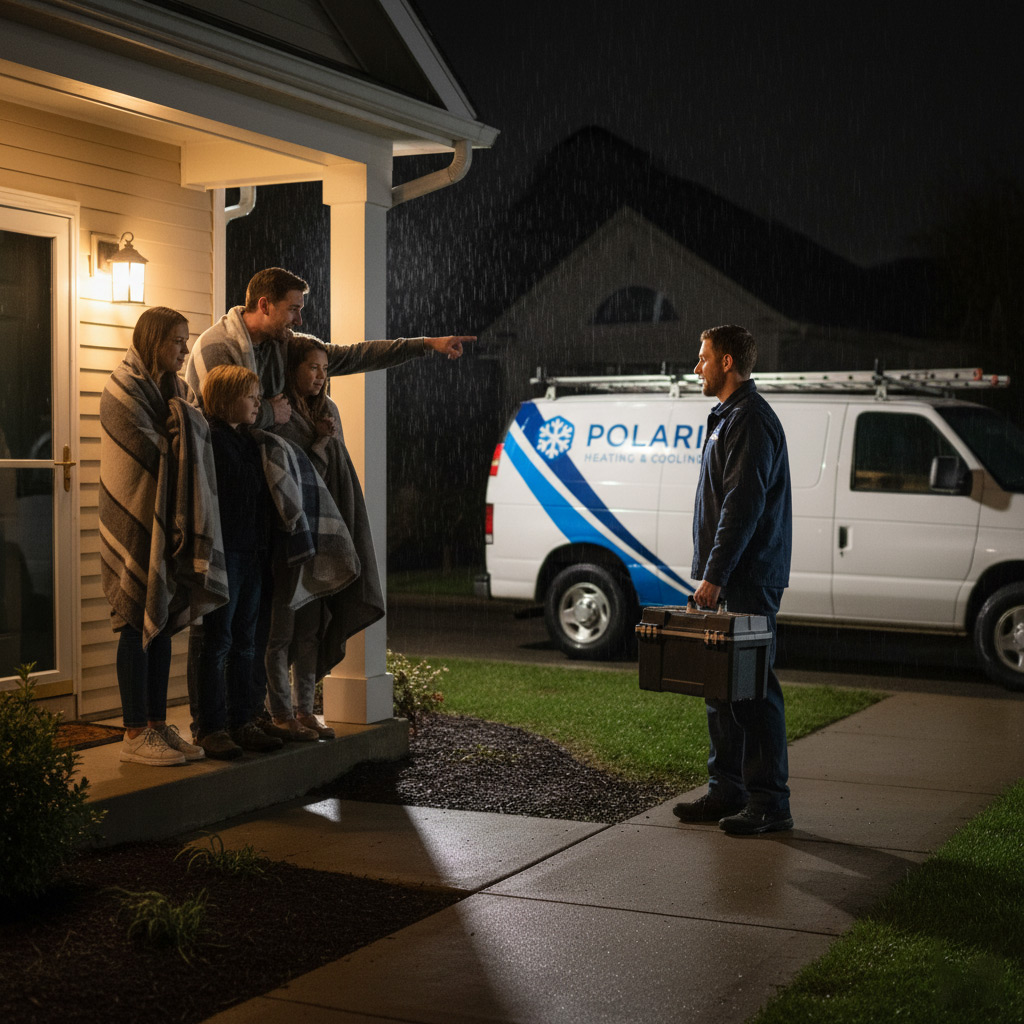
Assessing Your Home’s Energy Usage and Comfort Pain Points
First thing smart Reno owners do is pull their last 12 months of utility statements. Those numbers tell a story about where the house is leaking heat or overworking the furnace. Pair that with a quick walk‑through and you’ll spot rooms that feel like a sauna in July and a freezer in December.
Spot the Hot and Cold Spots
- Living room drafts near windows or doors.
- Bedrooms that stay uncomfortably warm even when the thermostat is low.
- Basement that never seems to get above 55°F.
- Inconsistent temperature between floors.
Write those observations down. A simple notebook or phone note is enough. When you have a list, you can match each complaint to a possible cause—poor insulation, undersized ducts, or an outdated thermostat.
Turn Numbers into Action
Next, calculate your average monthly kWh and BTU usage. Divide the total by 12 to get a baseline. Then ask yourself: “What would a 10‑15% drop look like on my bill?” That target becomes the north star for the replacement project.
Performing a Precise Load Calculation (Manual J) for the Perfect System Size
Why Manual J Isn’t Optional
Reno’s desert‑heat swings demand a system that matches the house, not a guess. Oversized units waste energy and make your thermostat fight itself. Undersized gear leaves you shivering in January and sweating in July.
Getting the Numbers Right
Hire a certified technician who runs a Manual J report. They’ll pull:
- Square footage of each conditioned space
- Window orientation, glazing type, and shading
- Insulation levels in walls, attic, and floors
- Local climate data for Reno’s high‑altitude swings
The result is a clear BTU demand for heating and cooling. No more “bigger is better” myths.
Reading the Report and Making the Call
When the load numbers land on your desk, look for the total heating and cooling loads and the “peak” values. Choose a unit whose capacity sits within 5‑10% of those peaks. Anything beyond that means you’ll pay for excess capacity you’ll never use.
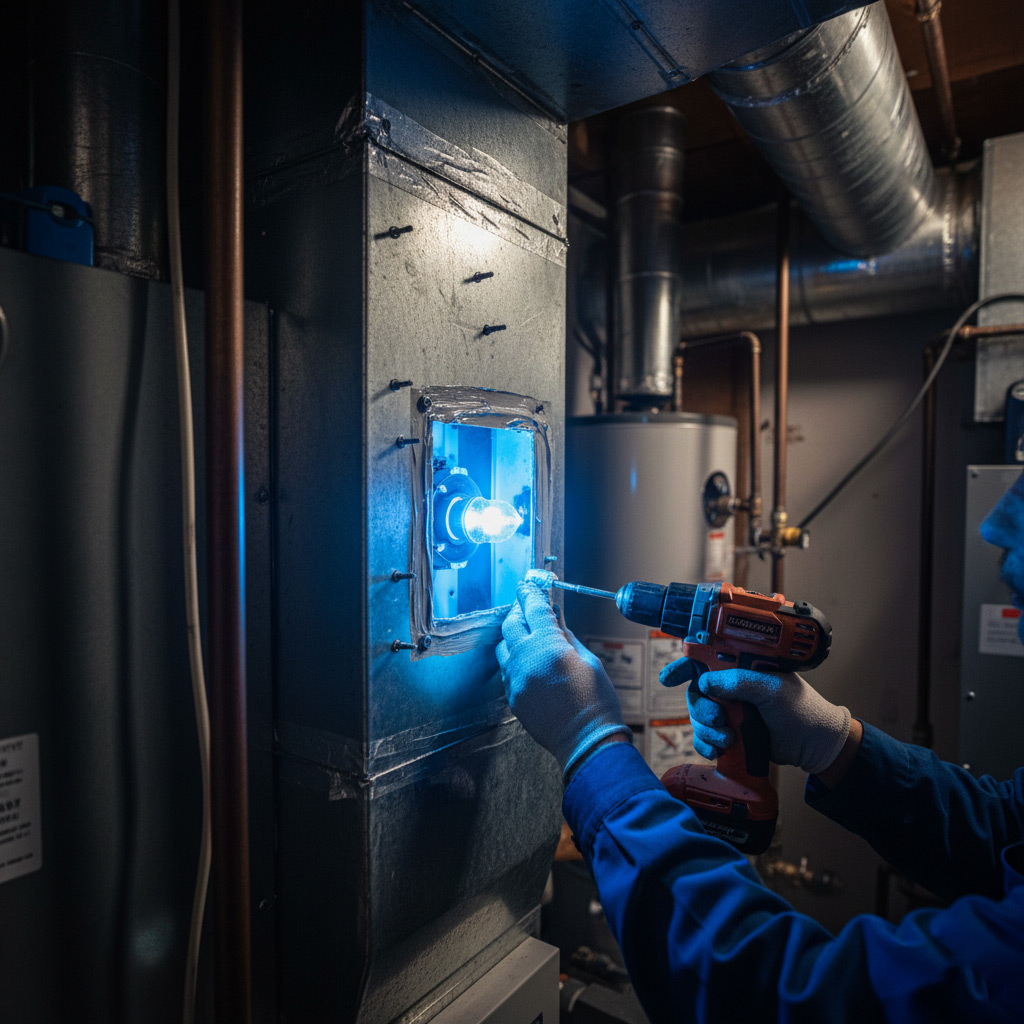
Selecting Smart, High‑Efficiency HVAC Units Tailored to Reno’s Climate
Know the climate, pick the right tech
Reno’s winters bite and its summers scorch, so you need a unit that handles both ends without breaking a sweat. Look for a system with a SEER rating of 15 + — that’s the sweet spot for the high desert.
Key specs to scan:
- Variable‑speed blower – keeps humidity in check and cuts cycling.
- Two‑stage heating – delivers steady warmth on those icy nights.
- Smart thermostat compatibility – lets you fine‑tune comfort from your phone.
Smart features that actually save you money
Don’t be fooled by a fancy nameplate. A unit that talks to your Wi‑Fi can learn when you’re home, when you’re away, and adjust output accordingly. That means fewer spikes on your electric bill.
Pick a model with built‑in diagnostics. When a sensor trips, the system sends an alert instead of leaving you in the cold.
Match the unit to your home’s quirks
Older homes often have leaky ducts. Pair a high‑efficiency furnace with a duct‑sealing kit to lock in the heat.
If you have a split‑level or a basement office, consider zoning. One thermostat can control multiple zones, so you’re not heating an empty attic.
Planning Installation Details: Ductwork, Zoning, and Placement Strategies
Ductwork Inspection & Sealing
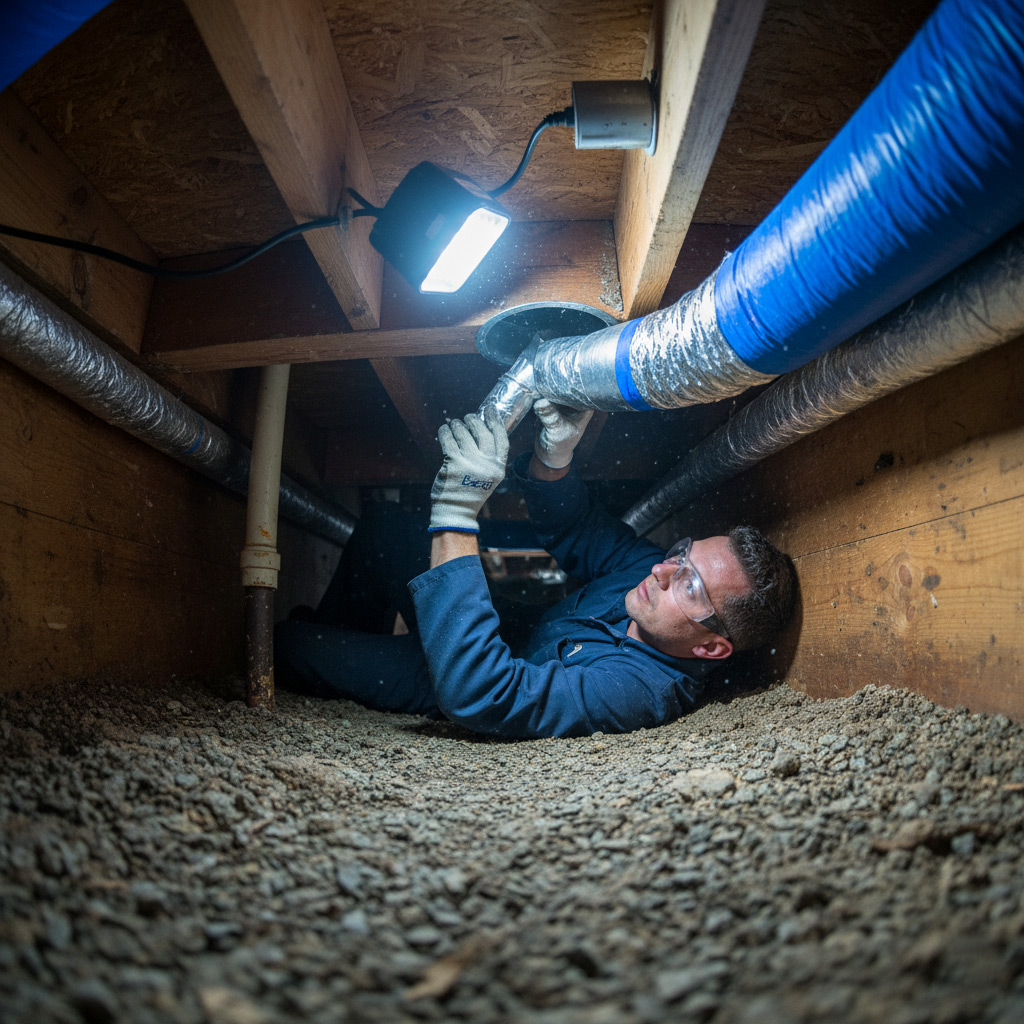
Before the new furnace even sees the light, a Reno homeowner walks the entire duct maze with a smoke pencil or infrared camera. Leaky ducts can steal up to 30% of heating power, so every crack gets taped, every joint gets mastic, and any oversized run gets trimmed.
- Check for disconnected sections behind closets and in the attic.
- Seal with UL‑listed mastic, not cheap foil tape.
- Insulate ducts that travel through unconditioned spaces.
Smart Zoning for Reno’s Microclimates
Reno isn’t a single temperature zone; the north side of the house can feel like a freezer while the south side basks in sun. Installing motorized dampers lets you program zone‑specific setpoints that match each room’s usage pattern.
- Living room and kitchen get a higher heat demand during evenings.
- Bedrooms stay cooler at night for better sleep.
- Unused rooms stay off, cutting waste.
Optimal Unit Placement
The location of the furnace and air handler matters more than the brand. A central spot reduces duct length, while keeping the unit away from direct sunlight or garage fumes extends its life.
- Place the furnace on a level concrete slab with at least 2 ft clearance.
- Mount the air handler on a sturdy wall, not a ceiling joist.
- Leave space for future service panels and filter changes.
Leveraging Nevada Incentives, Rebates, and Financing for Maximum Savings
Why the Money Matters
Reno homeowners who do their homework can shave hundreds off the price tag before the first screw is turned. The state and utility companies hand out cash back for high‑performing units, and those dollars disappear fast.
Grab the savings while they’re hot:
- Nevada Energy Efficiency Rebate – up to $1,200 for qualifying heat pumps.
- NV Power’s Residential Incentive – $500 credit for smart thermostats paired with a new system.
- Federal Tax Credit – 30% of the equipment cost, claimable on your 2025 return.
Smart Financing Options
Even with rebates, a new HVAC can feel like a big outlay. That’s why savvy Reno residents line up low‑interest loans or zero‑APR credit cards that let them pay over time while the bill drops.
Local credit unions often roll out “green upgrade” programs with rates under 4%, and many installers offer in‑house financing that syncs with the rebate schedule so you never front‑pay more than you need.
Quick Tip: Stack and Save
Don’t assume you have to pick one deal. Combine a utility rebate, the state cash back, and the federal credit, then apply a 0% promotional loan. The result? A brand‑new, high‑tech system that pays for itself in a few seasons.
Case Study: A Reno Homeowner’s 30% Energy‑Bill Reduction After a Smart Replacement
Background
Mike lives in a 2,200‑sq‑ft ranch on the east side of Reno. His 15‑year‑old furnace was humming louder than a freight train, and his winter bills were creeping past $300 a month. He felt the house was a freezer in the bedroom and a sauna in the living room.
What Changed
Instead of swapping units on a whim, Mike let a local pro run a Manual J load calculation. The numbers showed he needed a 3‑ton, two‑stage heat pump with a variable‑speed blower. He also added:
- Smart thermostat with geofencing
- Zone dampers for the upstairs bedroom
- Sealed and insulated ductwork
The installer programmed the system to run at 45 % capacity most of the night, then ramp up only when the thermostat called for heat. No more “full‑blast” cycles.
Bottom‑Line Impact
After three months, Mike’s energy bill dropped from $312 to $219 – a clean 30 % reduction. That’s $93 saved in a single season, enough to cover the $2,200 upgrade in under three years.
He also noticed steadier indoor temps, quieter operation, and a home that finally feels comfortable from the basement to the attic. The numbers speak for themselves: smarter sizing, smarter tech, smarter savings.
Final Words
Before you sign the contract, double‑check three things: the Manual J report matches the unit size, the warranty covers both parts and labor, and the installer has a clear plan for duct sealing. Missing any of these? Walk away and ask for clarification – a smart homeowner never settles for vague promises.
Quick sanity check
- Did the load calculation consider Reno’s hot summer spikes and chilly winter nights?
- Is the SEER rating at least 15, and does the AFUE hit 95% or higher?
- Are you eligible for any Nevada rebates or financing options?
When those boxes are ticked, you’re not just buying a furnace; you’re investing in a system that pays you back in lower bills and consistent comfort. Need a refresher on the whole process? Swing by our HVAC Replacement page for a quick recap.
People Also Ask
How do Reno homeowners determine the right HVAC size for their home?
Smart residents start with a Manual J load calculation, which accounts for Reno’s temperature swings, insulation levels, and window orientation. This precise analysis prevents oversizing and ensures optimal comfort and efficiency.What high‑efficiency HVAC features are best for Reno’s climate?
They choose units with variable‑speed compressors, smart thermostats, and SEER ratings of 16 or higher. These features adapt to both hot summer days and chilly winter nights while minimizing energy waste.Are there local rebates or financing options for HVAC upgrades in Nevada?
Yes, Nevada offers state and utility rebates for ENERGY STAR‑rated systems, plus low‑interest financing through approved lenders. Homeowners can combine these incentives to lower upfront costs dramatically.Why is ductwork assessment crucial during a replacement?
Even a top‑tier furnace can lose efficiency if ducts are leaky or improperly sized. Smart residents seal, insulate, and sometimes redesign duct layouts to ensure balanced airflow and maximum savings.What measurable benefits have Reno homeowners seen after a smart HVAC replacement?
Many report a 20‑30% drop in monthly energy bills and more consistent indoor temperatures. A recent case study showed a 30% reduction in energy use within the first year of installation.
Reno HVAC brings over 15 years of heating and cooling expertise to the Reno community. Their certified technicians specialize in energy‑efficient installations and reliable maintenance for homes and businesses throughout the region. Committed to responsive service, they tailor solutions to the unique climate challenges of the Sierra Nevada area.
Need HVAC?
We provide fast, results‑focused services that keep your home or business running smoothly across Reno and nearby areas (89501, 89502, 89431, 89434, 89701). Our team responds within hours to minimize downtime.
Request a fast quote