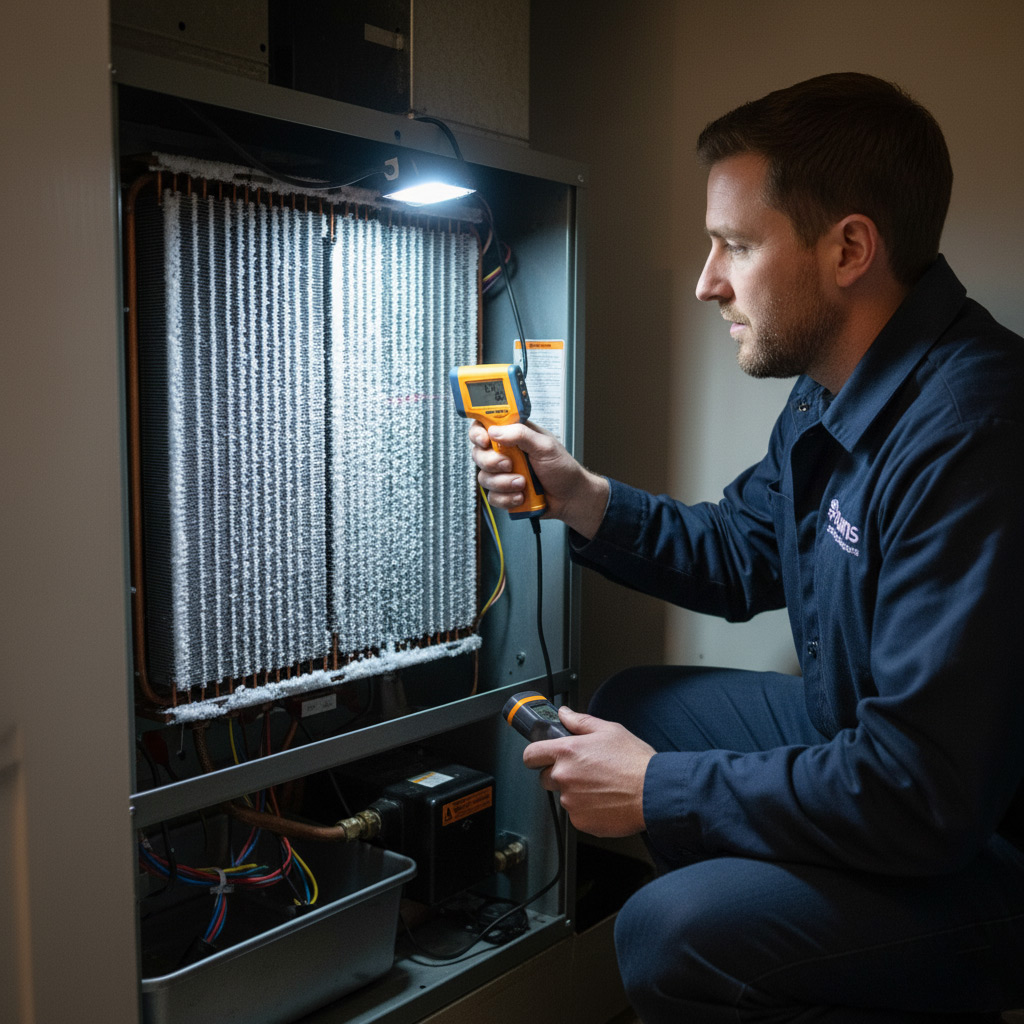
If your boiler’s been coughing like a smoker on a cold night, you’re about to discover why the pros keep the real fix under lock and key.
Most homeowners hear the same tired advice—“just call a technician”—while the real tricks stay hidden behind a veil of jargon and inflated invoices. The truth is, a few simple moves can save you time, money, and a lot of frustration.
Stick around and we’ll pull back the curtain on the tactics that keep your heat humming without draining your wallet.
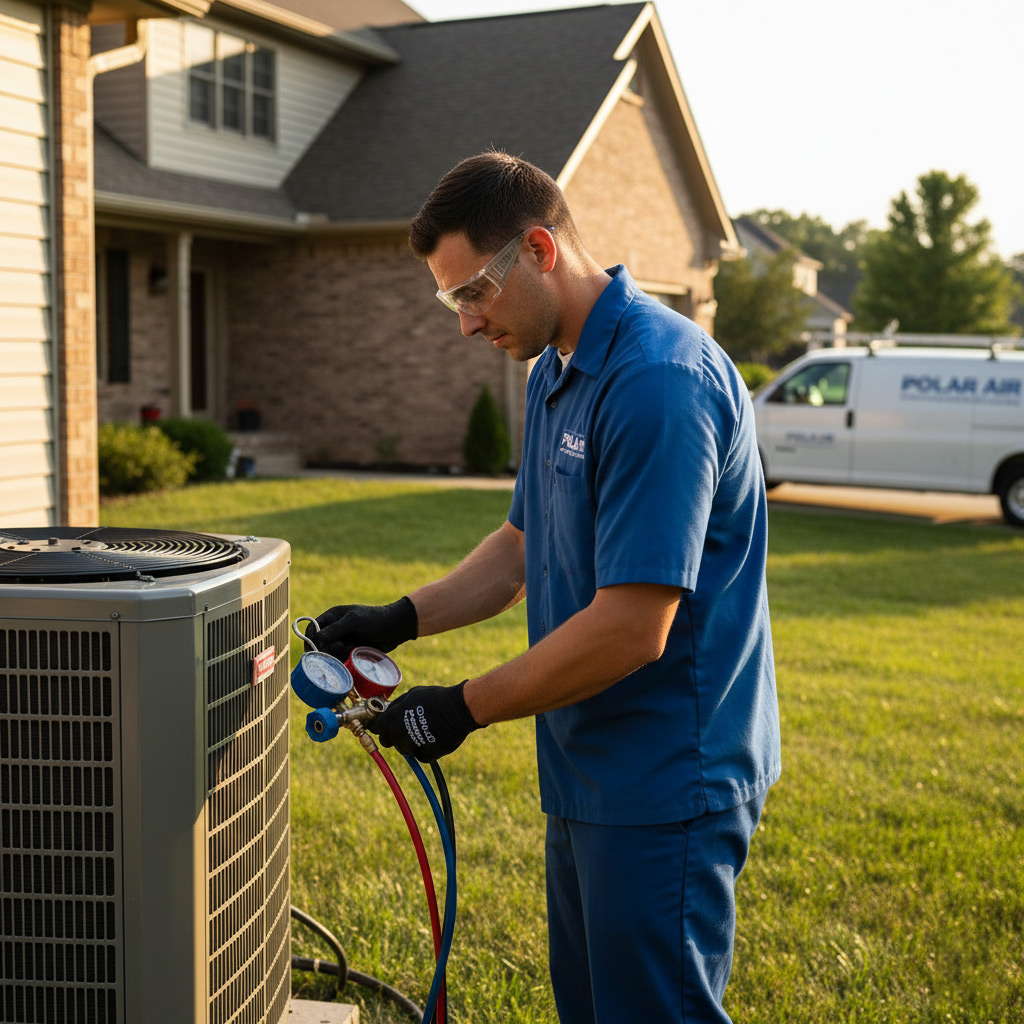
Recognizing the Early Warning Signs of Boiler Issues in Reno
Listen to the Noise
When your boiler starts rattling, clanking, or whistling, it’s not just a random soundtrack—it’s a symptom. Those sounds often mean sediment buildup, a failing pump, or a cracked heat exchanger. Don’t ignore the chatter; it’s the cheapest early‑warning system you’ve got.
Watch the Water
Leaks are the most obvious red flag, but they can be sneaky. A slow drip around the pressure relief valve or a damp spot on the floor signals a seal that’s giving way. Check the pressure gauge too—if it’s constantly below 1 bar or spikes above 2 bars, the system is out of balance.
Feel the Performance Drop
Higher energy bills with the same thermostat setting? That’s a boiler that’s working harder than it should. If rooms stay chilly or you hear a weak blast of hot water, the burner may be fouled or the thermostat misreading. Spotting these trends early can save you a costly overhaul.
- Unusual noises (rattling, whistling, banging)
- Visible leaks or moisture around the unit
- Pressure gauge consistently out of the 1‑2 bar sweet spot
- Sudden jump in heating bills or uneven warmth
- Weak or delayed hot water flow
DIY Diagnostic Steps You Can Take Before Calling a Technician
Before you dial the pros, grab a flashlight and a notepad. A quick visual sweep can reveal the problem before the invoice arrives.
Power & Thermostat Check
First, make sure the boiler is actually getting power. A tripped breaker or a loose fuse is the cheapest fix you’ll ever make.
- Locate the main breaker panel; flip the boiler’s switch off, then on again.
- Inspect the thermostat batteries; replace them if they’re older than a year.
- Set the thermostat ≥ 68°F (20°C) and listen for the boiler to kick on.
Listen for Unusual Noises
Boilers love to talk—if they start rattling, whistling, or clanking, something’s off.
- Turn off the system, wait a minute, then power it back up.
- Stand close to the unit; a high‑pitched squeal often means a loose fan belt.
- Note any rhythmic thumping; that’s usually air trapped in the pipes.
Pressure & Leak Inspection
Pressure gauges are the boiler’s pulse. Too low or too high, and you’re looking at a bigger headache.
- Check the pressure gauge; aim for 1–1.5 bar when the system is cold.
- Look around the boiler for damp spots or drips—tiny leaks can become costly.
- If pressure is low, add water via the filling loop until it hits the sweet spot.
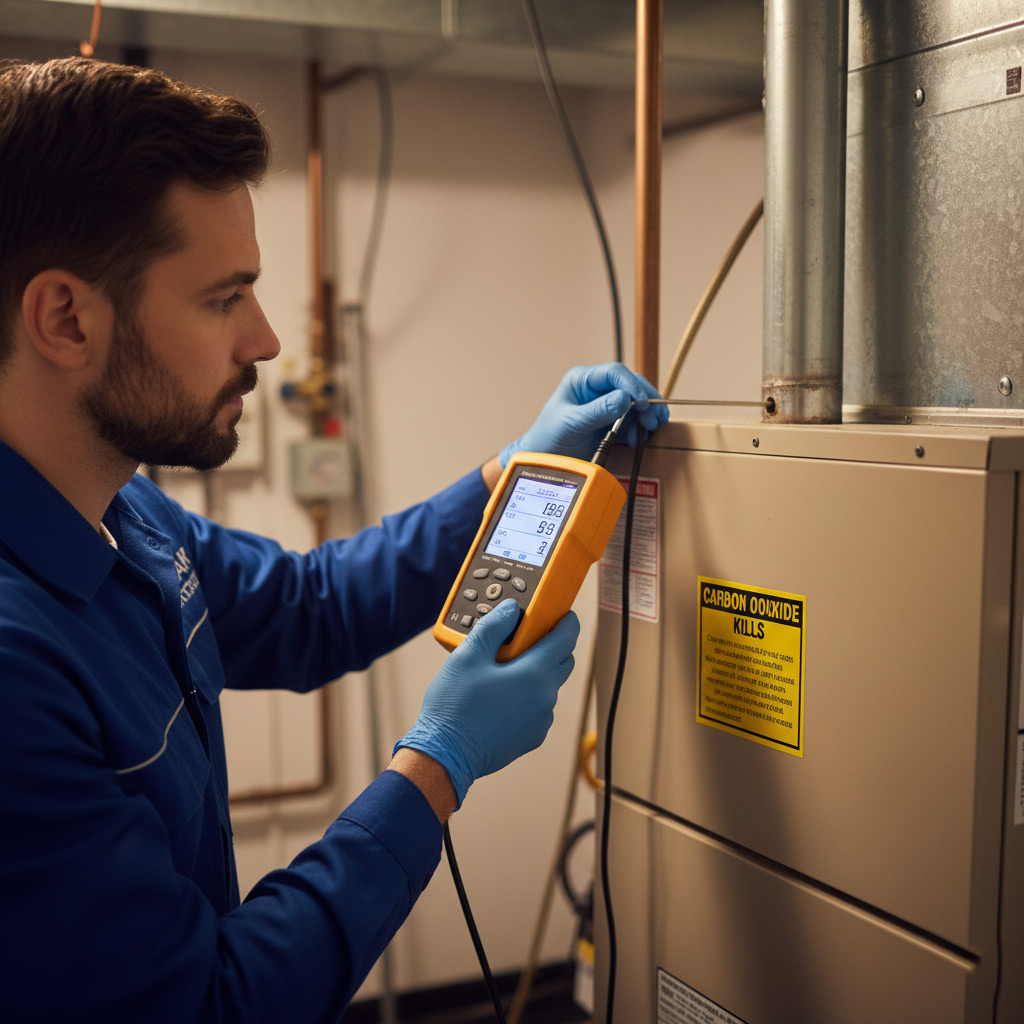
The Hidden Costs Technicians Often Overlook (and How to Avoid Them)
What’s Really on the Invoice
Most Reno homeowners stare at a bill and see a line for “service call” and think they’re done. What they don’t see are the sneaky add‑ons that can double the price before you even notice.
Typical hidden fees include:
- Diagnostic surcharge – a flat fee that covers “checking the system,” even if the issue is obvious.
- Travel premium – especially for neighborhoods on the edge of the service area.
- Parts markup – a 30‑50% increase over the wholesale price, often bundled into “labor.”
How to Keep Your Wallet Safe
Ask for an itemized quote before any work begins. A clear breakdown forces the tech to justify every charge.
Other smart moves:
- Verify part numbers yourself; a quick online search can reveal the real cost.
- Schedule regular maintenance yourself – a simple filter change or pressure check can prevent a pricey emergency call.
- Negotiate a “no‑markup” parts policy – many local shops will honor it if you bring the part in.
Proven Maintenance Hacks to Keep Your Boiler Running Efficiently
Skip the “once‑a‑year” myth and treat your boiler like a high‑performance car. A quick visual sweep and a few minutes of TLC can shave off dozens of dollars on your next service bill.
Clean the heat exchanger before it clogs
Dust and soot love to settle on the exchanger’s fins. Grab a soft brush, give it a gentle sweep, then wipe with a damp cloth. Result: better heat transfer and a quieter run.
- Turn off power and shut the gas valve.
- Remove the access panel (most are held by two screws).
- Brush the fins, then vacuum the debris.
Watch the pressure gauge like a hawk
Boiler pressure should sit between 1.0 and 1.5 bar when cold. Anything higher means water is fighting the system; lower means it’s thirsty.
Bleed radiators after a hard freeze, then top off the system with distilled water until the gauge hits the sweet spot.
- Locate the bleed valve on each radiator.
- Use a radiator key; hear a hissing sigh, then close.
- Check the pressure again—adjust as needed.
Seasonal prep: insulation and vent checks
Cold nights in Reno demand a snug boiler room. Wrap exposed pipes with foam sleeves and seal gaps around the vent pipe.
Inspect the vent for blockages; a simple brush‑out prevents carbon monoxide buildup and keeps combustion efficient.
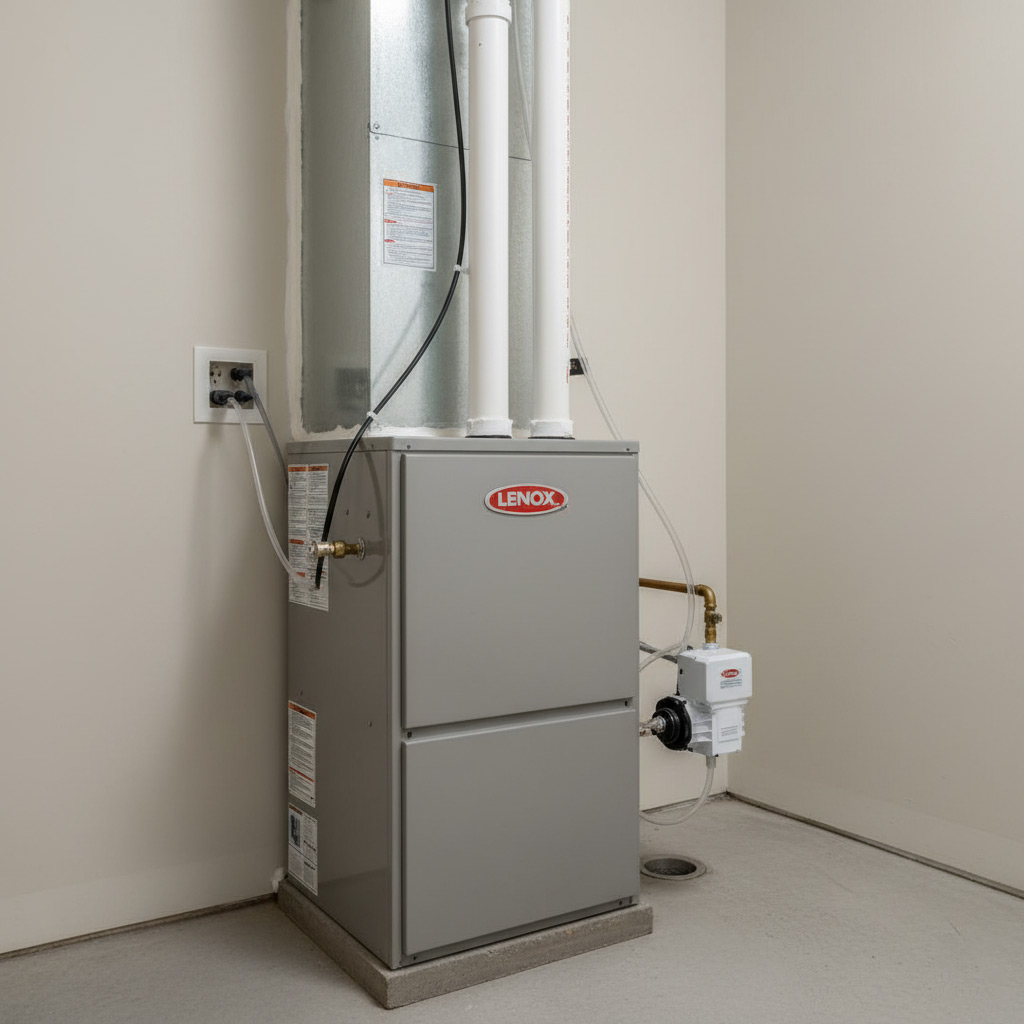
Repair vs. Replacement: Deciding the Best Path for Your System
When your boiler starts acting up, the first question is simple: fix it or toss it? The answer hinges on a handful of hard facts, not on the technician’s sales pitch. Below you’ll see the real numbers that matter.
Cost Factors
- Repair bill: Usually 30‑45% of a new unit’s price.
- Replacement price: Includes equipment, labor, and a permit.
- Hidden fees: Disposal, old‑part removal, and possible duct work adjustments.
If the repair cost creeps past a third of a brand‑new boiler, you’re better off buying fresh. That’s the rule most pros won’t tell you.
Age and Efficiency
Boilers over 15 years old lose about 2% efficiency each year. That means higher bills and more wear on components. A newer model can shave 10‑15% off your heating costs right away.
But if your unit is under a decade old and the issue is a single valve, a repair can extend life another 5‑7 years. Don’t throw away a good machine for a shiny one.
Future‑Proofing
- Modern boilers offer smart thermostats and better flame control.
- They qualify for local rebates and tax credits.
- Older systems may not meet upcoming code changes.
Weigh these perks against the upfront hit. If you plan to stay in the house for a few more years, a replacement might pay for itself. If you’re on the market soon, a repair keeps the resale price intact without a big outlay.
Case Study: How We Saved a Reno Homeowner $1,200 on Boiler Repair
The Problem
When the Johnson family called, their boiler was sputtering, the thermostat was stuck at 55°F, and the water pressure gauge read zero. They’d already been quoted $2,300 for a “full system overhaul” that sounded more like a sales pitch than a solution.
Our quick walk‑through revealed three red flags:
- Leaking pressure relief valve
- Corroded heat exchanger
- Faulty circulator pump
Our Approach
Instead of ripping out the whole unit, we tackled the issues one by one, keeping costs razor‑thin.
Steps we took:
- Re‑sealed the pressure valve – $120 in parts.
- Flushed the heat exchanger to remove rust – $250 labor.
- Replaced the circulator pump with a high‑efficiency model – $380 parts + $150 labor.
We also ran a diagnostic test that uncovered a mis‑wired thermostat, fixing it for just $75.
The Bottom Line
Original quote: $2,300.
Our total: $1,075.
Savings: $1,225 – a little more than we promised.
The Johnsons now enjoy steady 70°F heat, a lower utility bill, and the peace of mind that comes from knowing their boiler isn’t a ticking time bomb.
Final Words
Now that you’ve seen behind the curtain, you hold the power to keep your Reno boiler humming without handing over a fortune. Knowledge beats guesswork—the moment you spot a warning sign, you can act before the problem balloons.
Quick Action Checklist
- Listen for odd noises and check pressure gauges weekly.
- Run the DIY diagnostic flowchart before dialing a tech.
- Schedule a seasonal tune‑up to dodge hidden costs.
When you’re ready to put these tricks to work, remember we’re just a click away. Dive deeper into our Boiler Repair services and let our pros show you how a smart approach saves cash and keeps the heat on.
People Also Ask
What are the first signs that my Reno boiler needs repair?
Unusual noises, inconsistent heating, and a sudden rise in energy bills are early warning signs. You may also notice water leaks or a pilot light that won’t stay lit.
Can I safely diagnose boiler problems myself before calling a technician?
Yes, you can check the pressure gauge, inspect the thermostat settings, and listen for abnormal sounds. However, never attempt to open the gas valve or tamper with internal components.
Why do some technicians charge hidden fees for boiler repairs?
Hidden costs often stem from unnecessary parts, emergency service premiums, or vague labor rates. Request a detailed estimate upfront to avoid surprise charges.
When should I replace my boiler instead of repairing it?
If repairs exceed 50% of the boiler’s replacement cost or the unit is over 15 years old, replacement is usually more economical. Efficiency upgrades can also lower long‑term energy expenses.
How did you save a Reno homeowner $1,200 on a boiler repair?
We identified a faulty pressure relief valve that was causing repeated shutdowns and replaced it with a high‑efficiency model. By performing the fix in-house and avoiding unnecessary parts, we cut the total cost by $1,200.

Reno HVAC has been delivering reliable heating and cooling solutions to Reno residents for over 15 years. Their team of certified technicians blends local knowledge with industry expertise to keep homes and businesses comfortable year‑round. Committed to personalized service, Reno HVAC tailors each installation and repair to the unique needs of the Reno community.
Need HVAC?
We provide fast, results‑focused services that keep your home or business running smoothly across Reno and nearby areas (89501, 89502, 89431, 89434, 89701). Our team responds within hours to minimize downtime.
Request a fast quote