If you think a $500 repair bill is a nightmare, wait until you see what a missed HVAC tune‑up can cost you in Reno’s winter. One tiny oversight can snowball into a furnace that quits on the coldest night, leaving you shivering and scrambling for a solution.
Most homeowners think they’re saving money by skipping the annual check‑up, ignoring filter swaps, or trusting a “quick fix” from a friend. The truth? Those shortcuts are a fast track to blown compressors, clogged coils, and sky‑high energy bills.
In a city where temperatures swing from desert heat to icy chill, a well‑maintained system isn’t a luxury—it’s a survival tool. The right maintenance plan can keep your home comfortable and your wallet intact, year after year.
Ready to stop throwing money down the drain? Let’s uncover the five costly mistakes most Reno residents make and show you exactly how to avoid them.
Skipping the Annual Professional Tune‑Up: Why It Costs More Than You Think
Most Reno homeowners think a quick visual check is enough. The truth is, a furnace that’s been ignored for a year can develop hidden cracks, dirty burners, and a failing heat exchanger. Those problems don’t announce themselves until the thermostat hits the low‑50s on a December night.
What a professional tune‑up actually does
- Inspect the blower motor, gas valve, and ignition system for wear.
- Clean the heat exchanger and evaporator coils to restore proper airflow.
- Test safety controls and calibrate the thermostat for accurate temperature control.
- Check refrigerant levels and look for leaks before they become costly repairs.
Skipping this service means you’re betting on luck. A clogged coil can force the furnace to work 30% harder, which spikes your electric bill and shortens the unit’s lifespan. One tiny leak in the refrigerant line can turn a $200 repair into a $2,000 replacement.
When you finally call a pro after a breakdown, you’ll hear the same line: “If you’d had a tune‑up last year, this wouldn’t have happened.” That’s not a sales pitch; it’s a reality check. A $150‑$250 annual visit pays for itself many times over by preventing emergency calls that cost $500, $1,000, or more.
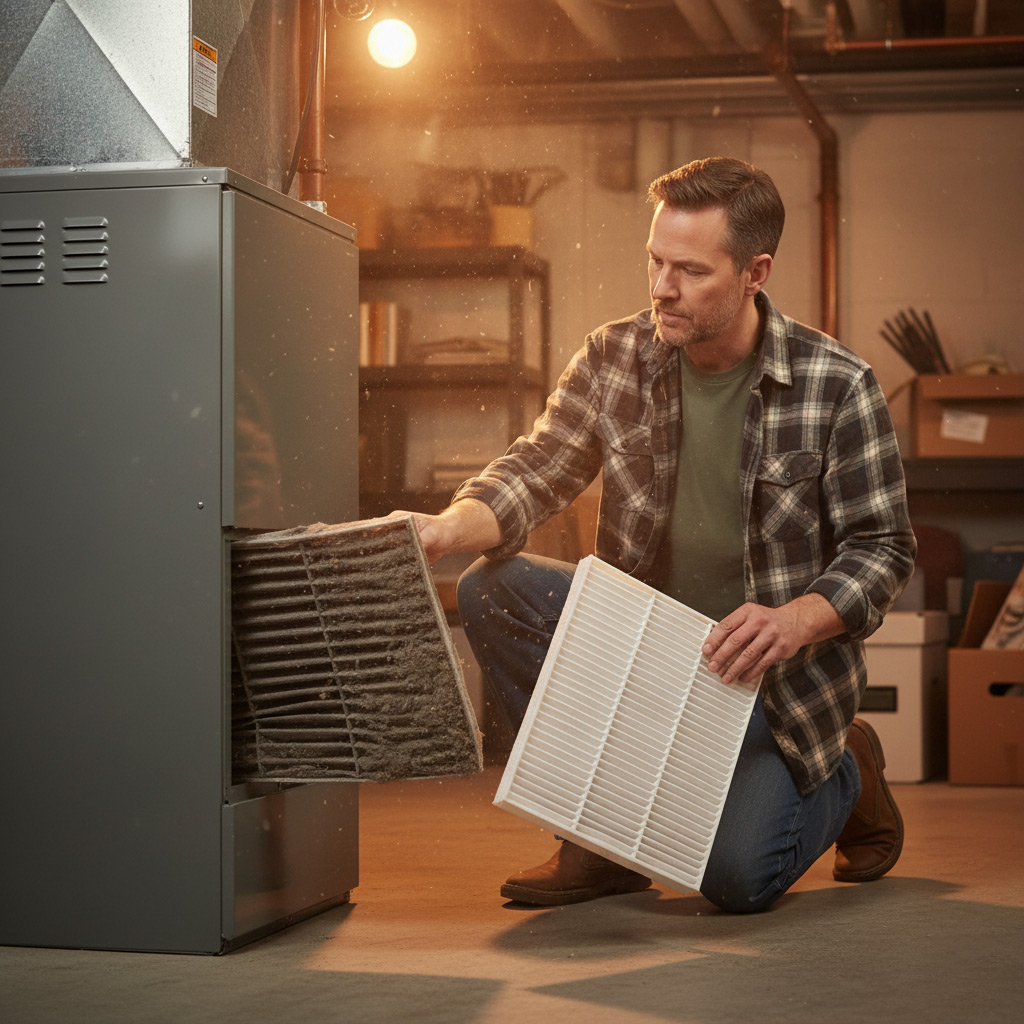
Ignoring Regular Air Filter Changes and Their Impact on Performance
Most Reno homeowners treat the filter like a decorative piece—tucked away and forgotten until the air feels stale. When the filter clogs, the furnace has to work harder, and that extra strain shows up on your utility bill faster than a snowstorm in January. It’s not just about dust; it’s about protecting the heart of your system.
What Happens When You Skip the Swap?
- Reduced airflow forces the blower motor to overheat.
- Heat exchangers can crack under the extra load, leading to costly repairs.
- Dust builds up on coils, turning a crisp breeze into a sluggish gust.
- Air quality drops, aggravating allergies and asthma.
Bottom line: a $15 filter change every month saves you from a $1,200 furnace replacement down the road. Set a calendar reminder, or let a local Reno tech handle it for you. A clean filter is the cheapest insurance policy you’ll ever buy.
Overlooking Early Warning Signs: Small Issues That Lead to Big Breakdowns
When your furnace starts making a faint rattling, it’s not “just the house settling.” That sound is a red flag that a loose panel or a worn bearing is begging for attention. Ignoring it is like ignoring a drip in a pipe—eventually the whole system floods.
Listen to the Noise
- Rattling or buzzing – could mean a motor is out of balance.
- High‑pitched squeal – often a belt that’s about to snap.
- Intermittent clicking – a sign of a failing relay or thermostat.
Catch these clues early and you’ll save a weekend of frantic repairs. A quick call to a pro can replace a belt for $150 instead of a $2,000 compressor replacement.
Watch the Numbers
- Energy bill spikes >10% – the system is working harder than it should.
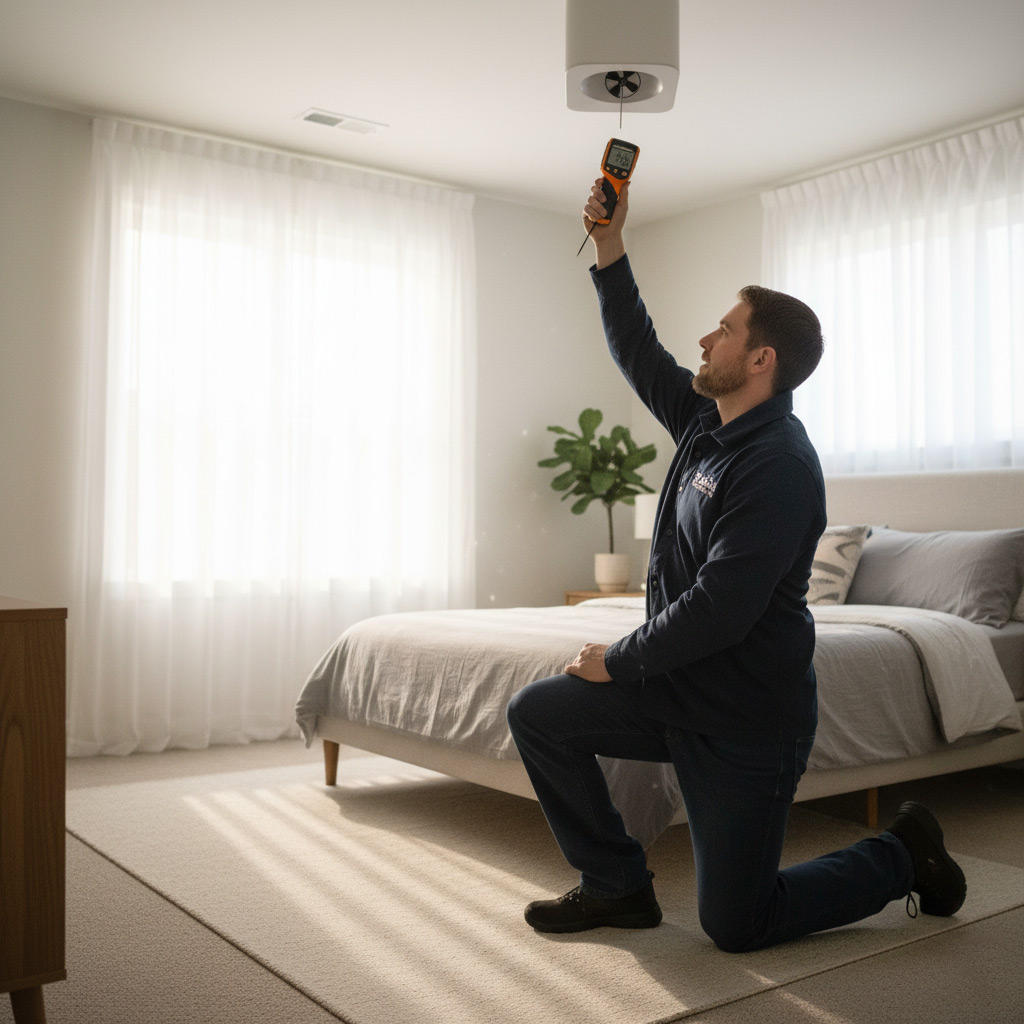
- Thermostat swings more than 3 °F in a few minutes – indicates airflow restriction.
- Short cycling (on/off every few minutes) – a sign of overheating or low refrigerant.
When the meter climbs, it’s screaming for a check‑up. A clean coil or a simple refrigerant top‑off can bring the bill back down.
Feel the Vibration
- Uneven heat distribution – one room stays cold while another bakes.
- Cold spots on vents – duct leaks or a clogged filter.
- Excessive vibration on the furnace base – could be a misaligned blower wheel.
These tactile hints are cheap to notice but priceless to fix. A sealed duct or a new filter can keep your system humming smoothly through Reno’s temperature roller‑coaster.
DIY “Quick Fixes” That Damage Your System and Void Warranties
When a furnace sputters or an AC unit hums oddly, the urge to grab a wrench and “fix it yourself” is strong. That impulse can turn a simple hiccup into a costly catastrophe. Most manufacturers spell out exactly what you’re not allowed to do—ignore it, and you’ll watch your warranty disappear faster than a summer snowflake.
Common “Quick Fix” Traps
- Using duct tape on refrigerant leaks. It may hold for a day, but the seal will fail, forcing a full coil replacement.
- Re‑wiring thermostats with household wire. The wrong gauge can overload circuits and fry the control board.
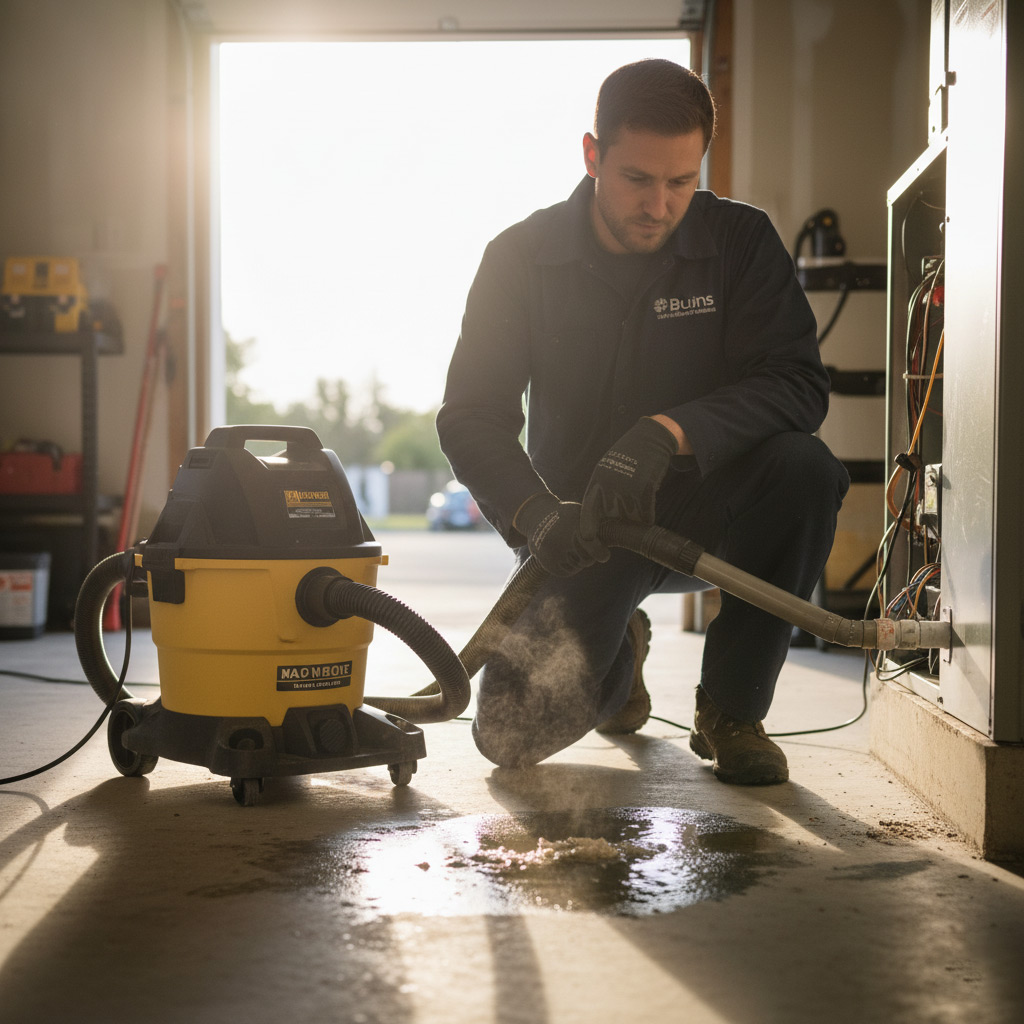
- Cleaning coils with a garden hose. Water seeps into electrical components, short‑circuiting the system.
- Adding “extra” oil to the compressor. Too much lubricant clogs the pump and voids the manufacturer’s guarantee.
Each of those shortcuts looks harmless until the warranty paperwork asks, “Did you attempt a repair yourself?” The answer is usually “yes,” and the warranty is null and void. That means you’re on the hook for every part and labor charge.
What to Do Instead
- Call a certified Reno HVAC tech at the first sign of trouble.
- Schedule a professional inspection before the season changes.
- Keep a log of service dates and what was done—this is your warranty’s best friend.
Leave the heavy lifting to the pros. A small service fee today saves you thousands tomorrow, and your warranty stays intact. That’s the real quick fix.

Failing to Adjust Settings for Seasonal Temperature Swings in Reno
Reno’s weather doesn’t ask for permission before it flips from desert scorch to mountain freeze. If you leave your thermostat on “auto” all year, you’re basically paying for a furnace that runs at full blast on a mild night and a AC that hums while the sun’s gone down. That waste burns a hole in your wallet faster than a snowstorm can melt.
Winter‑time tweaks that actually matter
When the mercury drops, a few simple changes can keep the heat where you need it and stop the system from overworking.
- Set the fan to “auto” – let the blower run only when the furnace fires.
- Drop the thermostat 1‑2°F lower than you think you need; the house retains heat longer than you expect.
- Turn off “economy” or “energy‑saving” modes on older furnaces – they can cause short‑cycling and extra wear.
Summer‑time survival tricks
Reno’s summer can feel like a furnace, and the AC will scream if you don’t give it a break.
- Switch the fan to “on” during peak heat – it circulates cool air more evenly and reduces the compressor’s load.
- Raise the thermostat 2‑3°F when you’re out; the system will kick back in only when you return.
- Activate the “dry” or “dehumidify” setting if your unit has it – less humidity means the compressor runs less.
Case Study: How a Reno Homeowner Saved Over $2,300 by Correcting One Maintenance Mistake
Meet Carlos, a first‑time homeowner in the foothills of Reno who thought “changing the filter when it looks dirty” was enough. He ignored the furnace’s *ignition sensor* for three years, assuming it would self‑heal. When the system finally coughed out on a frosty January night, his energy bill spiked and the repair quote hit $2,800.
The One Mistake That Cost Him
Instead of a full replacement, a quick inspection revealed a clogged ignition sensor. The sensor had been coated with dust and soot, preventing a clean spark. Once cleaned, the furnace ran like a champ again.
- Turn off power and locate the sensor (usually near the burner).
- Gently brush away debris with a soft‑bristle brush.
- Re‑install and test the system before the next cold snap.
After the fix, Carlos’s utility company recalculated his usage and he saw a $2,300 drop in his annual heating costs. The lesson? A five‑minute cleaning saved a thousand‑dollar repair and a month’s worth of wasted heat.
Final Words
Think of your HVAC system as a high‑performance athlete. It shows up when you train it, and it quits when you neglect it. One missed tune‑up can turn a reliable heat pump into a costly liability.
Here’s a quick cheat sheet to keep you on track:
- Schedule a professional inspection before the first frost.
- Swap filters every 30‑45 days—set a phone reminder.
- Watch for odd noises, weak airflow, or unexpected spikes in your electric bill.
- Leave “quick fixes” to the pros; they protect warranties and your peace of mind.
When you’re ready to lock in a HVAC maintenance plan that actually works, our Reno team is just a click away.
People Also Ask
What happens if I skip my HVAC’s annual professional tune‑up?
Skipping the yearly tune‑up can let minor issues become major repairs, reducing system efficiency and increasing energy bills. It also shortens the lifespan of the equipment and may void the manufacturer’s warranty.How often should I change my HVAC air filter in Reno?
In Reno’s climate, replace the filter every 1–3 months depending on usage and filter type. Clean filters keep airflow optimal, improve efficiency, and prevent costly strain on the system.What are common early warning signs of HVAC problems?
Look for reduced airflow, unusual noises, inconsistent temperatures, and higher utility bills. Addressing these symptoms early can prevent a complete system breakdown.Why are DIY “quick fixes” risky for my HVAC system?
DIY repairs often use incorrect parts or techniques that can damage components and void warranties. Professional technicians have the tools and knowledge to fix issues safely and efficiently.How can adjusting thermostat settings for Reno’s seasonal swings save money?
Setting the thermostat lower in winter and higher in summer reduces unnecessary runtime. Using programmable schedules aligns heating and cooling with occupancy, cutting energy costs.
Reno HVAC brings over 15 years of experience delivering reliable heating and cooling solutions throughout the Reno area. Their certified technicians specialize in energy‑efficient installations and prompt maintenance, ensuring comfort for homes and businesses alike. Committed to the local community, Reno HVAC tailors each service to the unique climate challenges of the Sierra Nevada region.
Need HVAC?
We provide fast, results‑focused services that keep your home or business running smoothly across Reno and nearby areas (89501, 89502, 89431, 89434, 89701). Our team responds within hours to minimize downtime.
Request a fast quote